

Introduction to Framer Case Study
The Framer case study is one of the most interesting success stories in the modern no-code and web design industry. Over the past few years, Framer has transformed from a prototyping tool into a complete website-building and publishing platform. In 2026, Framer has become one of the fastest-growing no-code tools used by designers, startups, agencies, creators, and SaaS businesses worldwide. This detailed Framer case study explains how the company achieved rapid growth using innovation, product-led growth, and a highly scalable SaaS ecosystem.
The success highlighted in this Framer case study is strongly connected to the company’s unique Framer marketing strategy, scalable Framer business model, and recurring Framer revenue model. These three pillars helped Framer compete against major platforms like Webflow, Wix, Squarespace, and WordPress. The rise of the no-code movement also created a strong opportunity for Framer to position itself as a modern, fast, and designer-friendly website-building solution.
In this complete Framer case study, we will analyze the company’s history, founder vision, growth journey, monetization methods, customer acquisition techniques, SEO success, competitive advantages, future predictions, and overall business expansion. The company’s ability to combine design flexibility with website publishing made it one of the strongest players in the no-code industry.
The growing demand for visually attractive and high-performance websites has increased the popularity of the Framer business model. At the same time, recurring subscription income under the Framer revenue model has made the company financially strong and scalable. Through a smart Framer marketing strategy, the company successfully built a loyal community of designers and developers globally.
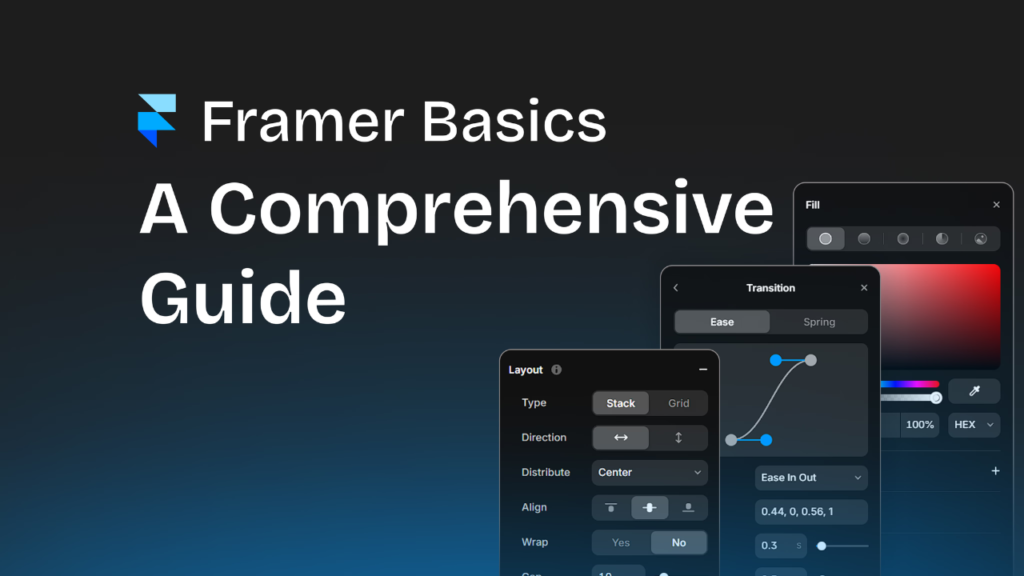
What is a Framer?
Framer is a modern no-code website design and publishing platform that allows users to create responsive websites visually without extensive coding knowledge. Initially, Framer started as a prototyping and UI/UX design tool, but over time, it evolved into a complete website-building platform.
The platform enables users to:
- Design websites visually
- Publish responsive websites
- Create landing pages
- Build startup websites
- Develop portfolio websites
- Manage CMS content
- Add animations and interactions
The innovation shown in this Framer case study helped simplify website creation for non-technical users while maintaining professional-level design quality.
The platform became highly popular among:
- UI/UX designers
- SaaS startups
- Freelancers
- Agencies
- Content creators
- Marketing teams
This broad customer base strengthened the scalability of the Framer business model.
Founders Behind the Framer Case Study
The founders and leadership team behind Framer believed that website creation should become faster, easier, and more visually interactive. Their mission was to bridge the gap between design and development.
Traditional web development often required separate teams for design and coding. Framer aimed to simplify this process by giving designers more control over website creation.
This vision became a key part of the successful Framer business model.
The company focused heavily on solving major industry problems such as:
- Slow website development
- Technical coding barriers
- Poor collaboration between teams
- Lack of design flexibility
- Complex publishing workflows
The customer-first approach later became one of the strongest pillars of the Framer marketing strategy.
History and Growth of Framer
Early Growth Phase
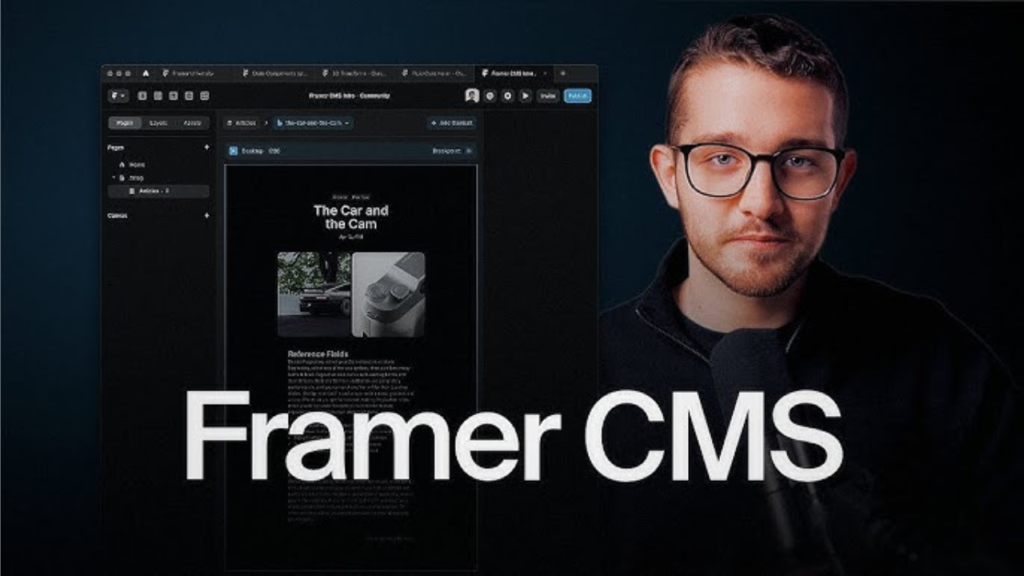
Framer originally gained popularity as a prototyping tool for designers. Designers used Framer to create animations, interactions, and user interface prototypes.
However, the company later recognized a bigger opportunity in the no-code website-building industry. This strategic pivot changed the direction of the company completely.
The transition from prototyping software to website-building platform is one of the most important parts of the Framer case study.
Expansion into Website Publishing
Framer started introducing features for:
- Website publishing
- CMS management
- Hosting integration
- Responsive layouts
- SEO optimization
These features helped the platform compete directly with Webflow and other website builders.
The rapid product expansion strengthened the Framer business model significantly.
Growth in 2025 and 2026
The popularity of Framer increased rapidly because businesses wanted faster and more visually attractive websites.
Major growth drivers included:
- No-code industry expansion
- Startup adoption
- Designer community growth
- SEO-focused websites
- Product-led growth
- Social media visibility
Each of these factors contributed heavily to the success of the Framer marketing strategy.
Framer Business Model Explained
The Framer business model is primarily based on SaaS subscriptions combined with hosting and premium website services.
Key Components of Framer Business Model
1. Subscription Plans
Framer offers multiple subscription plans designed for:
- Individuals
- Freelancers
- Startups
- Agencies
- Teams
- Enterprises
These subscriptions are a major pillar of the Framer revenue model.
2. Hosting Services
The platform provides built-in website hosting services.
Integrated hosting improves customer retention and strengthens the Framer business model.
3. CMS Features
Framer allows users to manage website content dynamically through CMS functionality.
This feature attracts content-driven businesses and marketers.
4. Team Collaboration
Collaboration tools help teams work together efficiently.
This improves enterprise adoption under the Framer business model.
5. Enterprise Solutions
Large organizations can access advanced support, security, and scalability through enterprise plans.
Enterprise customers contribute significantly to the profitability of the Framer revenue model.
Framer Revenue Model Analysis
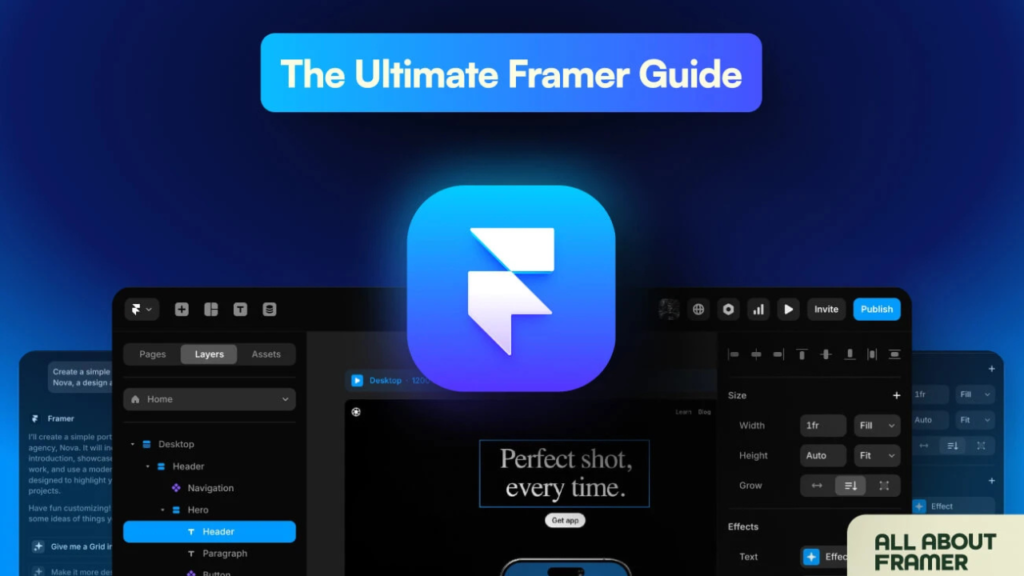
The Framer revenue model is recurring and scalable, making it attractive for investors and long-term growth.
Main Revenue Sources
Subscription Revenue
Monthly and yearly subscription plans generate predictable recurring income.
This recurring structure is the core strength of the Framer revenue model.
Hosting Revenue
Framer earns additional revenue through premium hosting services.
Hosting increases average customer spending and improves profitability.
Enterprise Revenue
Enterprise customers pay higher fees for advanced functionality and dedicated support.
This enterprise segment strengthens the long-term stability of the Framer revenue model.
CMS and Premium Features
Advanced CMS and premium website features also contribute to revenue generation.
Marketplace and Templates
Framer’s ecosystem includes templates and design assets that generate additional income opportunities.
This marketplace expansion supports the scalability of the Framer business model.
Framer Marketing Strategy Explained
The Framer marketing strategy is one of the biggest reasons behind the company’s rapid growth.
Instead of depending entirely on paid advertising, Framer focused heavily on design communities, content marketing, and product-led growth.
1. Product-Led Growth
The platform allows users to start for free before upgrading to paid plans.
This freemium approach became a major strength of the Framer marketing strategy.
2. Community Building
Framer built a strong online design community where creators share:
- Website templates
- UI inspiration
- Tutorials
- Animations
- Website examples
Community-driven growth reduced customer acquisition costs significantly.
3. Social Media Marketing
Social media became a powerful part of the Framer marketing strategy.
Designers frequently shared Framer-created websites on platforms like:
- YouTube
- Dribbble
- Behance
This organic visibility increased brand awareness rapidly.
4. Content Marketing
Content marketing helped Framer attract users organically.
The company created:
- Tutorials
- SEO guides
- Product updates
- Design resources
- Video walkthroughs
This educational ecosystem strengthened the Framer marketing strategy.
5. SEO Optimization
SEO-focused website capabilities attracted marketers and startups.
The company optimized its own content heavily for search engines, increasing organic traffic significantly.
Why Framer Became Successful
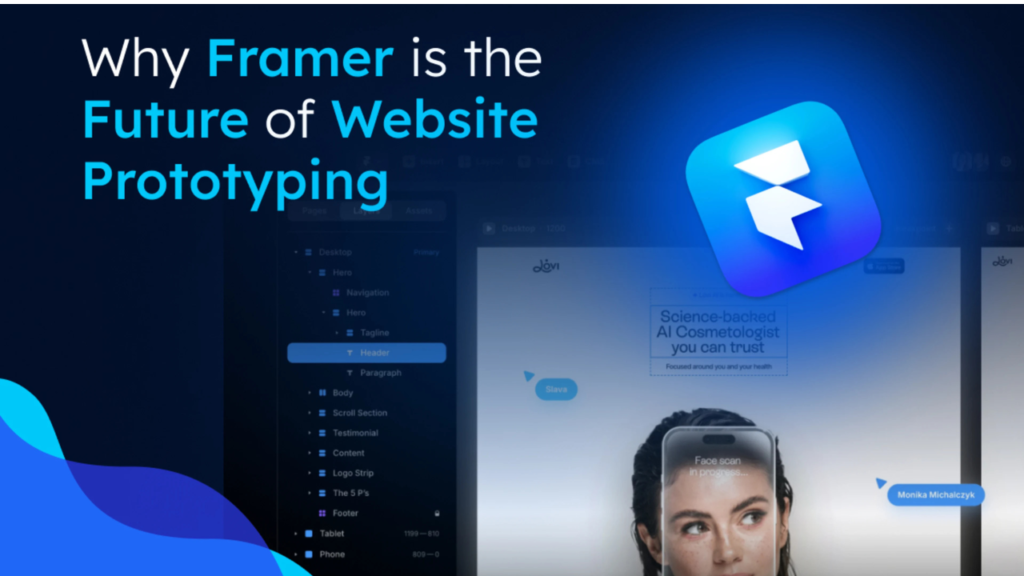
The Framer case study demonstrates several key reasons behind the company’s success.
Strong Design Focus
Framer prioritized modern and visually attractive design experiences.
Fast Website Publishing
Users could launch websites quickly without technical complexity.
Product Innovation
Continuous innovation helped the platform stay competitive.
Recurring SaaS Revenue
The subscription-focused Framer revenue model created financial stability.
Scalable Business Structure
The Framer business model allowed rapid global expansion.
Competitor Analysis in Framer Case Study
Framer competes with several major platforms.
Webflow
Webflow focuses on advanced website development and CMS flexibility.
Wix
Wix emphasizes beginner-friendly website creation.
Squarespace
Squarespace focuses on simplicity and templates.
WordPress
WordPress remains dominant in the CMS industry.
Despite competition, the Framer marketing strategy helped position Framer as a modern and designer-focused platform.
Framer and the No-Code Industry
The no-code industry continues growing rapidly worldwide.
This trend strongly supports the growth discussed in the Framer case study. Businesses increasingly want:
- Faster development
- Lower costs
- Better design control
- Easier publishing workflows
The no-code movement strengthens both the Framer business model and the Framer revenue model.
By 2026, no-code adoption is expected to increase further across startups and enterprises.
Challenges in Framer Case Study
Although successful, Framer still faces challenges.
Competition
The no-code industry is becoming highly competitive.
Feature Expectations
Users continuously expect more advanced functionality.
Enterprise Expansion
Competing for large enterprise clients requires significant investment.
Platform Differentiation
Framer must continue differentiating itself from Webflow and other competitors.
Despite these challenges, the Framer case study remains a strong example of SaaS growth and innovation.
Future of Framer in 2026
The future of Framer looks highly promising.
AI-Powered Website Creation
AI integration may simplify website design even further.
Enterprise Growth
More enterprises are adopting no-code platforms.
International Expansion
Global adoption continues increasing rapidly.
Marketplace Expansion
Templates and plugins may become larger revenue streams.
These opportunities can significantly improve the Framer revenue model over the coming years.
Financial Strength of Framer
The company continues attracting investors because of:
- High recurring revenue
- Growing no-code demand
- Strong customer retention
- Expanding enterprise adoption
The subscription-focused Framer revenue model provides predictable cash flow that supports long-term expansion.
SEO Lessons from Framer Marketing Strategy
The Framer marketing strategy offers valuable lessons for startups and SaaS businesses.
Community Matters
Strong communities improve customer loyalty and retention.
Organic Marketing Works
Educational content and SEO reduce dependency on expensive advertising.
Product Quality Drives Growth
Satisfied users naturally promote the platform.
Design Branding Creates Differentiation
Framer successfully built a modern and premium brand image.
These lessons make the Framer case study highly valuable for entrepreneurs.
Framer Business Model for Startups
Many startups study the Framer business model because it demonstrates how SaaS companies can scale globally using subscriptions and product-led growth.
The company successfully combined:
- SaaS subscriptions
- Hosting services
- CMS features
- Enterprise plans
- Marketplace opportunities
This combination created a highly scalable and profitable ecosystem.
Conclusion of Framer Case Study
The Framer case study is a powerful example of how innovation, design-focused experiences, and product-led growth can create a successful SaaS company in the no-code industry. Framer evolved from a prototyping tool into a complete website-building platform by focusing on speed, visual quality, and ease of use.
The company’s rapid growth is closely connected to:
- Effective Framer marketing strategy
- Scalable Framer business model
- Predictable Framer revenue model
As no-code technology becomes more mainstream globally, Framer is expected to remain one of the leading platforms for modern website creation and digital publishing.
The Framer case study proves that companies focusing on user experience, design innovation, recurring revenue, and community-driven growth can achieve massive long-term success in the SaaS industry.
FAQs About Framer Case Study
1. What is Framer case study?
The Framer case study explains the company’s growth journey, product innovation, monetization methods, and success in the no-code website-building industry.
2. What is Framer marketing strategy?
The Framer marketing strategy focuses on product-led growth, content marketing, SEO optimization, social media visibility, and strong community engagement.
3. What is Framer revenue model?
The Framer revenue model generates income through subscriptions, hosting services, enterprise plans, CMS features, and template marketplace opportunities.
4. What is Framer business model?
The Framer business model operates as a SaaS subscription platform where users pay for website design, hosting, CMS, and publishing services.
5. Why is Framer successful?
The success highlighted in the Framer case study comes from strong design innovation, modern branding, recurring SaaS revenue, and a highly effective marketing ecosystem.
6. How does Framer make money?
Framer earns money through subscription plans, hosting services, enterprise solutions, and premium website tools under the Framer revenue model.
7. Why is Framer marketing strategy effective?
The Framer marketing strategy is effective because it combines educational content, community growth, social media visibility, and product-led acquisition.
8. What can startups learn from Framer case study?
Startups can learn about SaaS scalability, recurring revenue systems, community-driven growth, SEO marketing, and product innovation from the Framer case study.