

Introduction to Nike Case Study 2026
The global sportswear industry continues to evolve rapidly, with brands competing across innovation, digital transformation, sustainability, and customer engagement. Among all sportswear companies, Nike remains one of the most recognized and influential brands worldwide. This Nike case study explores how Nike has maintained its leadership position through a powerful Nike marketing strategy, a scalable Nike revenue model, and an innovative Nike business model.
Founded in 1964 as Blue Ribbon Sports and later rebranded as Nike, the company transformed itself from a shoe distributor into a global sports and lifestyle powerhouse. Today, Nike operates in more than 190 countries and serves millions of consumers through retail stores, digital platforms, and wholesale partnerships.
This Nike case study examines the company’s journey, competitive advantages, growth strategies, financial performance, and future outlook. By understanding the Nike business model, companies can learn how to create long-term brand value. Similarly, analyzing the Nike revenue model and Nike marketing strategy provides valuable lessons for businesses aiming to build global brands.

Company Overview
This Nike case study begins with understanding the company’s scale and influence.
Nike is one of the world’s largest sportswear companies, offering:
- Athletic footwear
- Sports apparel
- Equipment
- Accessories
- Digital fitness services
The company serves athletes, fitness enthusiasts, and lifestyle consumers across multiple demographics.
A major reason for the success highlighted in this Nike case study is Nike’s ability to combine innovation, branding, and customer engagement into a sustainable growth engine.
History and Growth of Nike
A key section of this Nike case study involves understanding Nike’s evolution.
Nike began as a distributor of Japanese running shoes. Over time, the company developed its own products and created groundbreaking athletic footwear technologies.

Important milestones include:
- Launch of the Nike brand
- Introduction of Air technology
- Expansion into global markets
- Athlete endorsements
- Digital transformation initiatives
- Direct-to-consumer expansion
These milestones became foundational pillars of the Nike business model and continue influencing the company’s growth strategy today.
Nike Business Model Explained
The Nike business model is designed to create value through product innovation, brand power, digital engagement, and global distribution.
One of the biggest strengths of the Nike business model is its ability to operate efficiently across multiple channels while maintaining a premium brand image.
Product Innovation
Innovation sits at the core of the Nike business model.
Nike continuously invests in:
- Footwear technology
- Performance apparel
- Sustainable materials
- Smart fitness solutions
Innovation allows the Nike business model to maintain differentiation in a highly competitive market.
Direct-to-Consumer Strategy
An important aspect of the Nike business model is the direct-to-consumer approach.
Nike sells products through:
- Brand-owned stores
- Mobile applications
- E-commerce websites
The direct-to-consumer strategy strengthens the Nike business model by increasing profitability and improving customer relationships.
Wholesale Distribution
The Nike business model also includes wholesale partnerships.
Retail partners help Nike reach markets where direct operations may be limited.
This channel expands the reach of the Nike business model while supporting global growth.
Brand Equity
The Nike business model relies heavily on brand strength.
Nike’s logo and slogan are recognized worldwide.
Strong brand equity allows the Nike business model to command premium pricing and maintain customer loyalty.
Digital Ecosystem
The digital ecosystem is another key component of the Nike business model.
Nike leverages digital platforms to:
- Sell products
- Collect customer data
- Deliver personalized experiences
- Build communities
This digital integration significantly strengthens the Nike business model.
Global Supply Chain
The Nike business model depends on an extensive global supply chain.
Manufacturing partnerships allow Nike to scale production while maintaining operational flexibility.
This efficiency remains a crucial factor behind the success of the Nike business model.
Sustainability Initiatives
Sustainability has become increasingly important within the Nike business model.
Nike invests in:
- Recycled materials
- Circular design
- Waste reduction
- Energy efficiency
These initiatives improve brand perception while supporting the long-term success of the Nike business model.
Nike Revenue Model Analysis
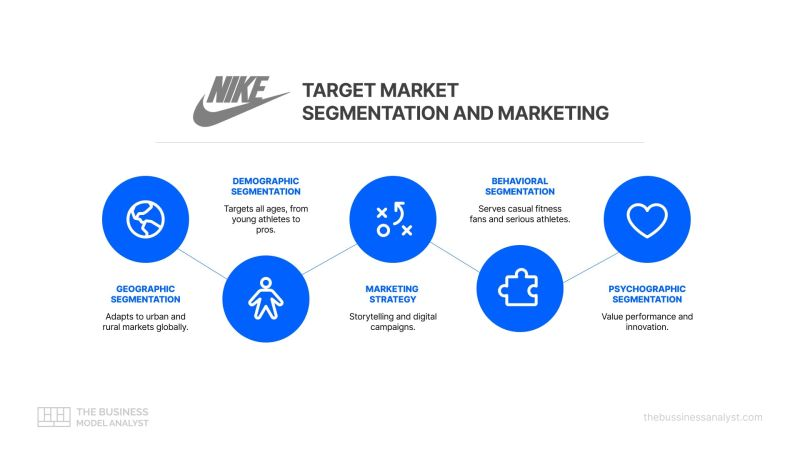
Understanding the Nike revenue model is essential for evaluating the company’s financial performance.
The Nike revenue model combines multiple income streams that contribute to stable and scalable growth.
Footwear Revenue
Footwear represents the largest component of the Nike revenue model.
Running shoes, basketball shoes, lifestyle sneakers, and training footwear generate billions in annual sales.
Footwear remains the foundation of the Nike revenue model.
Apparel Revenue
Sports apparel is another major contributor to the Nike revenue model.
The company offers:
- Jerseys
- Training wear
- Running apparel
- Lifestyle clothing
This category strengthens the diversification of the Nike revenue model.
Equipment Revenue
Sports equipment contributes additional revenue within the Nike revenue model.
Products include:
- Bags
- Sports accessories
- Athletic gear
Although smaller than footwear and apparel, this segment supports the overall Nike revenue model.
Direct-to-Consumer Revenue
A growing percentage of sales comes directly from consumers.
The direct-to-consumer segment has become a critical pillar of the Nike revenue model because it improves profit margins and customer engagement.
Digital Revenue
Digital commerce continues to strengthen the Nike revenue model.
Online sales provide:
- Higher margins
- Better analytics
- Improved personalization
Digital transformation remains a significant driver of the Nike revenue model.
International Revenue
Global markets play a major role in the Nike revenue model.
The company generates revenue from:
- North America
- Europe
- Asia-Pacific
- Latin America
- Emerging markets
International diversification enhances the resilience of the Nike revenue model.
Licensing Revenue
Licensing agreements also contribute to the Nike revenue model.
These arrangements allow Nike to monetize intellectual property while expanding product availability.
Future Growth Drivers
Several trends are expected to strengthen the Nike revenue model:
- Digital commerce growth
- Emerging market expansion
- Sustainability innovation
- Connected fitness experiences
- Personalized product offerings
These opportunities will likely support the long-term evolution of the Nike revenue model.
Nike Marketing Strategy Analysis
The success highlighted in this Nike case study cannot be understood without examining the company’s world-famous Nike marketing strategy.
The Nike marketing strategy is widely regarded as one of the most effective branding systems ever created.
Emotional Branding
A defining feature of the Nike marketing strategy is emotional storytelling.
Nike advertisements rarely focus solely on products.
Instead, the Nike marketing strategy emphasizes:
- Inspiration
- Achievement
- Determination
- Personal growth
This emotional connection strengthens customer loyalty.
Athlete Endorsements
Athlete partnerships are a cornerstone of the Nike marketing strategy.
Nike collaborates with elite athletes across various sports.
These endorsements increase:
- Brand credibility
- Visibility
- Consumer trust
The effectiveness of athlete partnerships continues to reinforce the Nike marketing strategy.
Social Media Marketing
The Nike marketing strategy relies heavily on social media.
Nike engages consumers through:
- TikTok
- YouTube
- X
Digital engagement remains a major strength of the Nike marketing strategy.
Influencer Marketing
Influencers play a growing role in the Nike marketing strategy.
Partnerships with creators help Nike connect with younger audiences and expand market reach.
Community Building
Community engagement is another important element of the Nike marketing strategy.
Nike builds communities through:
- Fitness challenges
- Running clubs
- Mobile applications
- Sports events
These activities strengthen customer relationships and enhance the Nike marketing strategy.
Personalization
Personalized experiences have become a critical component of the Nike marketing strategy.
Nike uses customer data to deliver:
- Product recommendations
- Customized promotions
- Tailored content
This approach improves engagement and conversion rates.
Sustainability Marketing
The Nike marketing strategy increasingly highlights sustainability efforts.
Consumers are becoming more environmentally conscious, making sustainability messaging an important part of modern marketing campaigns.
Digital Innovation
Technology continues shaping the Nike marketing strategy.
The company leverages:
- Mobile apps
- Data analytics
- Artificial intelligence
- Digital commerce platforms
These tools improve marketing effectiveness and customer experience.
SWOT Analysis
Strengths
- Powerful global brand
- Strong Nike business model
- Diversified Nike revenue model
- Highly effective Nike marketing strategy
- Extensive distribution network
- Innovation leadership
Weaknesses
- Dependence on third-party manufacturers
- Premium pricing challenges
- Counterfeit product risks
Opportunities
- Emerging markets
- Digital transformation
- Sustainable products
- Personalized experiences
Threats
- Intense competition
- Economic downturns
- Supply chain disruptions
- Changing consumer preferences
Key Success Factors
This Nike case study highlights several critical success factors:
Brand Power
The company’s brand remains one of the strongest assets in the world.
Innovation Leadership
Continuous innovation strengthens the Nike business model.
Revenue Diversification
The Nike revenue model benefits from multiple income streams.
Marketing Excellence
The Nike marketing strategy consistently creates emotional connections with consumers.
Global Presence
Worldwide reach enhances resilience and growth opportunities.
Lessons Businesses Can Learn
The insights from this Nike case study offer valuable lessons for organizations across industries.
Build a Strong Brand
Strong branding creates long-term competitive advantages.
Invest in Innovation
Innovation remains essential for sustainable growth.
Diversify Revenue Sources
The Nike revenue model demonstrates the value of multiple revenue streams.
Understand Customers
The Nike marketing strategy succeeds because it deeply understands customer motivations.
Embrace Digital Transformation
Technology can significantly improve efficiency and customer engagement.
Future Outlook
The future remains promising for Nike.
The company is expected to continue investing in:
- Digital commerce
- Sustainability
- Product innovation
- Data analytics
- Personalized experiences
The ongoing evolution of the Nike business model, expansion of the Nike revenue model, and refinement of the Nike marketing strategy will likely support continued global leadership.
Conclusion
This Nike case study demonstrates how a company can maintain market leadership through innovation, branding, and customer engagement. The Nike business model combines product excellence, digital transformation, and global distribution to create sustainable value. The Nike revenue model generates income through diversified channels, while the Nike marketing strategy continues setting benchmarks for the entire marketing industry.
As markets evolve and consumer expectations change, Nike’s ability to adapt ensures that it remains one of the most influential brands in the world. This Nike case study serves as a powerful example of how vision, innovation, and strategic execution can create long-term business success.
FAQs
1. What makes the Nike case study important for business students?
The Nike case study is important because it demonstrates how a company can build a globally recognized brand through innovation, customer engagement, and strategic marketing. It provides practical insights into the Nike business model, Nike revenue model, and Nike marketing strategy that can be applied across industries.
2. How does the Nike business model create competitive advantages?
The Nike business model creates competitive advantages through innovation, premium branding, digital transformation, direct-to-consumer sales, and strong global distribution networks, allowing the company to maintain market leadership.
3. What are the primary revenue streams in the Nike revenue model?
The Nike revenue model includes footwear sales, apparel sales, equipment revenue, digital commerce income, international operations, and licensing agreements, creating diversified revenue opportunities.
4. Why is the Nike marketing strategy considered one of the best in the world?
The Nike marketing strategy is highly regarded because it combines emotional storytelling, athlete endorsements, community building, digital engagement, personalization, and innovation to create strong consumer connections.
5. What lessons can startups learn from the Nike case study?
Startups can learn the importance of building a strong brand, creating scalable operations, developing a sustainable Nike business model, diversifying income like the Nike revenue model, and implementing customer-focused campaigns inspired by the Nike marketing strategy.
6. How does sustainability influence the Nike business model?
Sustainability supports the Nike business model by improving operational efficiency, enhancing brand reputation, meeting consumer expectations, and creating opportunities for innovation.
7. How does digital transformation support the Nike revenue model?
Digital transformation strengthens the Nike revenue model through higher-margin online sales, improved customer insights, personalized experiences, and increased direct-to-consumer engagement.
8. What is the future of Nike marketing strategy?
The future of the Nike marketing strategy will likely involve greater personalization, artificial intelligence, immersive digital experiences, sustainability-focused campaigns, and deeper community engagement to maintain strong customer relationships.