
Introduction to Zoho Case Study
The zoho case study is one of the most inspiring business success stories in the SaaS industry. From a small software company in India to a globally recognized cloud software brand, Zoho has transformed the way businesses use technology. This case study on zoho explains how the company built a profitable ecosystem, competed against billion-dollar corporations, and created a loyal customer base without depending heavily on external investors.
In this detailed case study of zoho, we will analyze Zoho’s business model, marketing strategy, customer-centric approach, product ecosystem, global expansion, and the success of its CRM platform. We will also explore a dedicated zoho crm case study section to understand how Zoho CRM became one of the leading CRM solutions in the world.
The growth of Zoho is proof that sustainable innovation, strong leadership, and customer-focused products can build a global brand even in highly competitive markets.
What is Zoho?
Zoho Corporation is a multinational technology company that provides cloud-based software solutions for businesses. The company offers applications for CRM, finance, HR, email, marketing automation, project management, analytics, customer support, and collaboration.
Founded in 1996 by Sridhar Vembu and Tony Thomas, Zoho initially operated under the name AdventNet before rebranding to Zoho Corporation in 2009.
The modern zoho case study is widely discussed because Zoho successfully built a massive SaaS ecosystem while staying privately owned and profitable.

History Behind the Zoho Case Study
The journey in this case study on zoho began when the founders identified the growing demand for enterprise software. Initially, the company focused on network management tools. Over time, Zoho shifted toward cloud-based applications as businesses started adopting SaaS solutions.
One important aspect of this case study of zoho is that the company did not rely on aggressive venture capital funding. Instead, Zoho followed a bootstrapped growth strategy. This allowed the company to focus on long-term innovation rather than short-term investor pressure.
The zoho case study became even more popular after the company expanded internationally and started competing directly with companies like Salesforce, Microsoft, and HubSpot.
Business Model Explained in Zoho Case Study
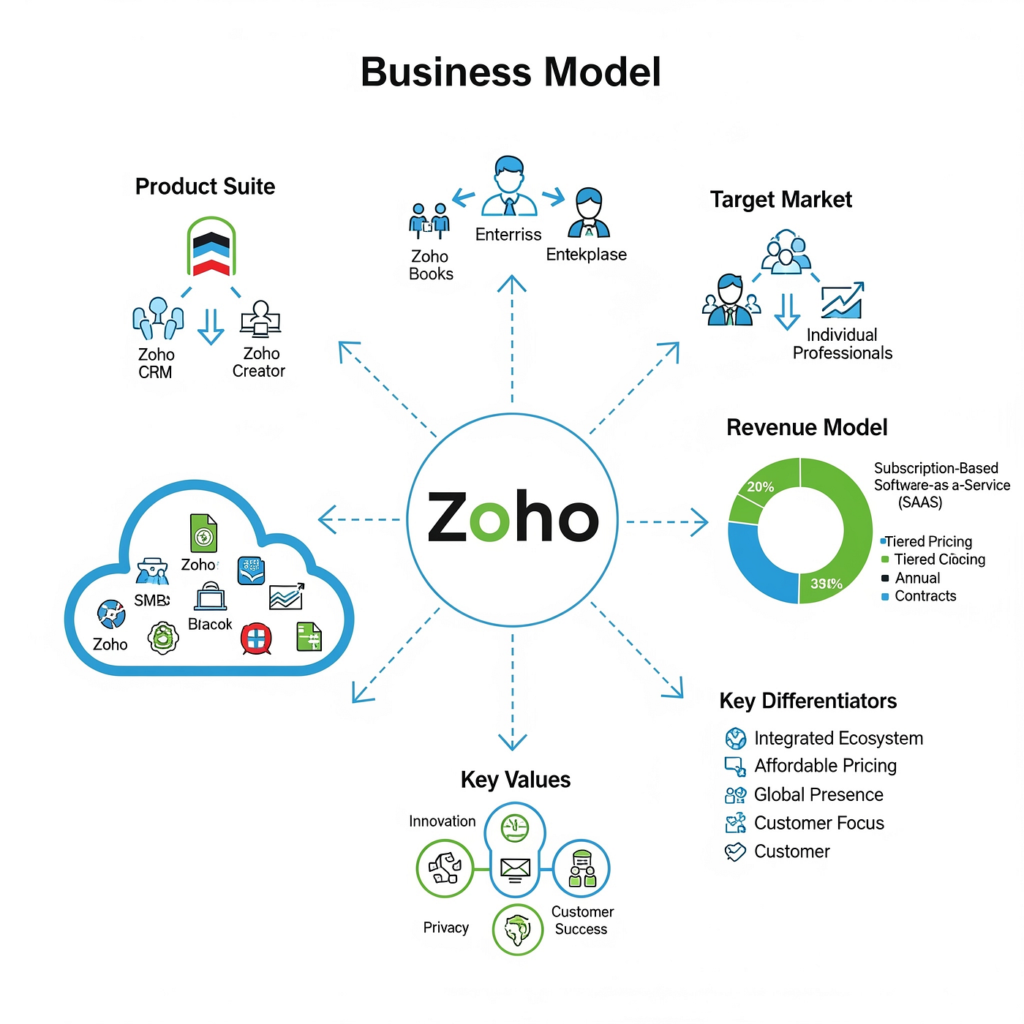
The success of this zoho case study largely depends on Zoho’s unique business model. The company follows a SaaS subscription-based model where customers pay monthly or yearly fees for software access.
Key Features of Zoho’s Business Model
1. Product Ecosystem
A major highlight in this case study on zoho is the company’s integrated ecosystem. Zoho offers more than 50 applications that work together seamlessly.
This strategy helps businesses avoid using multiple software providers. Instead of purchasing separate tools for CRM, email, accounting, and analytics, businesses can use Zoho’s ecosystem.
This ecosystem-based approach plays a huge role in the case study of zoho because it increases customer retention and lifetime value.
2. Affordable Pricing
Another reason why the zoho case study is successful is affordable pricing. Zoho targeted small and medium-sized businesses that needed enterprise-level software at lower costs.
Compared to competitors, Zoho provided similar features at significantly lower pricing. This helped the company rapidly acquire startups and SMEs globally.
3. Bootstrapped Growth
One of the most discussed points in the case study on zoho is its bootstrapped growth strategy. Unlike many SaaS companies that rely heavily on funding rounds, Zoho focused on profitability and sustainable growth.
This independence allowed Zoho to:
- Invest more in R&D
- Focus on customer satisfaction
- Avoid investor pressure
- Build long-term strategies
The bootstrapped nature of the case study of zoho makes it unique in the tech world.
Marketing Strategy in Zoho Case Study
The marketing strategy is another important aspect of this zoho case study.
Content Marketing
Zoho invested heavily in educational content, blogs, webinars, tutorials, and customer guides. This helped the company rank organically on search engines and generate inbound leads.
SEO and Organic Growth
Zoho’s strong SEO strategy helped it dominate search engine rankings for CRM, accounting software, email hosting, and collaboration tools.
This organic growth approach became a major reason behind the success highlighted in this case study of zoho.
Free Trials and Freemium Model
The company offered free plans and trial versions for many applications. This encouraged businesses to test products before purchasing subscriptions.
The freemium strategy in this zoho case study helped Zoho attract millions of users worldwide.
Product Innovation in Zoho Case Study
Innovation is one of the strongest pillars in this case study on zoho.
Zoho continuously introduced AI-powered tools, automation features, integrations, and business intelligence solutions.
Some major innovations include:
- AI assistant Zia
- Workflow automation
- Analytics dashboards
- Custom app builders
- Omnichannel customer support
The constant innovation discussed in this case study of zoho helped the company stay competitive against larger corporations.
Zoho CRM Case Study: How Zoho CRM Became a Market Leader
The zoho crm case study is especially important because Zoho CRM became one of the company’s flagship products.
Zoho CRM helps businesses manage leads, sales pipelines, customer interactions, automation, and analytics.
Why Zoho CRM Succeeded
Affordable CRM Solution
One reason behind the success of this zoho crm case study is affordability. Many businesses found enterprise CRM platforms expensive, but Zoho CRM offered advanced features at competitive pricing.
Automation Features
The zoho crm case study highlights powerful automation capabilities such as:
- Lead scoring
- Workflow automation
- Email automation
- Sales forecasting
- AI insights
These features improved productivity for businesses worldwide.
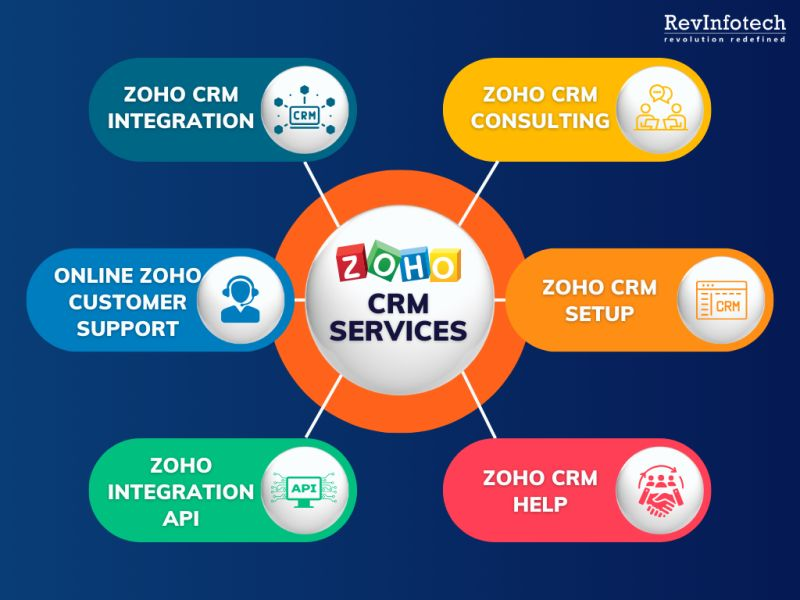
Easy Integration
Another major advantage in this zoho crm case study is seamless integration with other Zoho products and third-party applications.
Businesses using Zoho CRM could connect:
- Email marketing
- Accounting software
- Customer support tools
- Analytics platforms
This integration capability increased adoption significantly.
Customization
Customization is another reason why the zoho crm case study stands out. Businesses can modify dashboards, workflows, and modules according to their needs.
This flexibility helped Zoho CRM gain popularity among startups and enterprises alike.
Leadership Lessons from Zoho Case Study
The leadership style of Sridhar Vembu is an important element in the zoho case study.
He focused on:
- Long-term thinking
- Rural talent development
- Innovation
- Employee empowerment
- Sustainable growth
The leadership approach discussed in this case study on zoho proves that companies can scale globally while maintaining strong company values.
Rural Development Strategy in Case Study of Zoho
An interesting aspect of this case study of zoho is the company’s rural development strategy.
Instead of concentrating only in metropolitan cities, Zoho expanded operations into rural India. This approach:
- Reduced operational costs
- Created employment opportunities
- Accessed untapped talent
- Improved employee retention
The rural expansion model became a unique talking point in the zoho case study.
Customer-Centric Approach in Zoho Case Study
Customer satisfaction is another major factor in this case study on zoho.
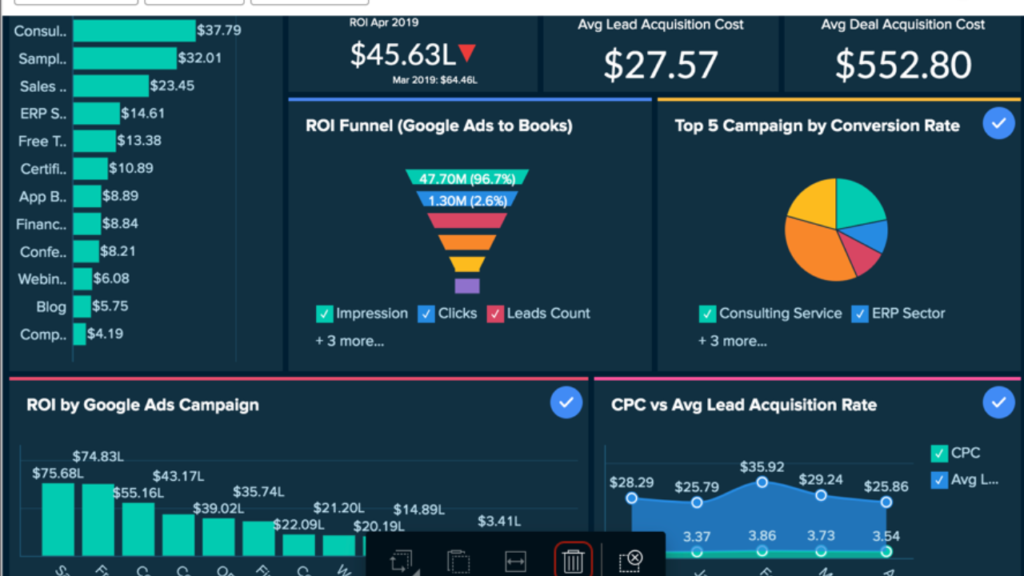
Zoho continuously collects user feedback and updates products based on customer needs.
The company focuses on:
- User-friendly interfaces
- Affordable pricing
- Data privacy
- Reliable support
- Continuous updates
This customer-first mindset strengthened the success explained in the case study of zoho.
Competitive Advantage Explained in Zoho CRM Case Study
The zoho crm case study demonstrates how Zoho competed against major global CRM brands.
Major Competitive Advantages
1. Cost Efficiency
Zoho CRM offered premium features at lower costs.
2. Integrated Ecosystem
The CRM worked seamlessly with other Zoho apps.
3. AI and Automation
AI-driven features improved efficiency.
4. Scalability
Businesses could scale operations easily using Zoho CRM.
These advantages made the zoho crm case study a benchmark in SaaS business discussions.
Challenges Faced in Zoho Case Study
No business journey is without challenges, and the zoho case study also faced several obstacles.
Intense Competition
Zoho competed against established global brands with massive marketing budgets.
Market Awareness
Initially, many businesses were unaware of Zoho’s capabilities compared to competitors.
Enterprise Adoption
Convincing large enterprises to adopt Zoho solutions was another challenge discussed in this case study on zoho.
Despite these obstacles, Zoho continued innovating and expanding globally.
Financial Growth in Case Study of Zoho
The financial growth covered in this case study of zoho is remarkable.
Zoho achieved:
- Millions of users worldwide
- Strong recurring revenue
- Global market presence
- High customer retention
- Profitable operations
Unlike many startups, Zoho prioritized profitability over aggressive funding.
This strategy became a defining factor in the zoho case study.
Global Expansion in Zoho Case Study
Zoho expanded into multiple countries including:
- United States
- India
- Europe
- Middle East
- Asia-Pacific regions
The international growth highlighted in this case study on zoho demonstrates the scalability of its SaaS model.
Zoho also localized products for different markets, helping improve adoption rates.
Technology and AI in Zoho CRM Case Study
Technology innovation plays a major role in the zoho crm case study.
Zoho invested heavily in:
- Artificial Intelligence
- Machine Learning
- Predictive analytics
- Workflow automation
- Cloud infrastructure
The AI assistant “Zia” became a key differentiator in the zoho crm case study.
Key Lessons from Zoho Case Study
The zoho case study offers several valuable lessons for startups and businesses.
1. Sustainable Growth Matters
Profitability and long-term vision can create lasting success.
2. Customer Focus Wins
Understanding customer pain points leads to better products.
3. Innovation is Essential
Continuous product development helps businesses stay competitive.
4. SEO and Content Marketing Work
Organic marketing can drive scalable growth.
5. Build Ecosystems, Not Just Products
Integrated solutions improve customer retention.
These lessons make the case study of zoho highly valuable for entrepreneurs.
Future Outlook of Zoho
The future discussed in this case study on zoho looks promising as businesses increasingly adopt cloud-based software solutions.
Zoho is expected to:
- Expand AI capabilities
- Improve automation
- Grow enterprise adoption
- Increase global market share
- Launch more SaaS solutions
The company’s strong foundation positions it for continued growth.
Conclusion
The zoho case study is a perfect example of how innovation, customer focus, and sustainable growth can build a world-class technology company.
This detailed case study on zoho shows how Zoho created a strong SaaS ecosystem without depending heavily on external funding. Through affordable pricing, product innovation, SEO-driven growth, and customer-centric strategies, Zoho became one of the most respected software companies globally.
The case study of zoho also highlights important lessons for startups, entrepreneurs, marketers, and SaaS businesses. Meanwhile, the dedicated zoho crm case study proves how Zoho CRM successfully disrupted the CRM industry by offering scalable, affordable, and feature-rich solutions.
Zoho’s journey continues to inspire businesses worldwide, making it one of the most remarkable technology success stories of 2026.
FAQ
What is the Zoho success story?
The Zoho case study explains how Zoho became a global SaaS company by providing affordable business software solutions.
How does Zoho earn money?
The company generates income through the Zoho revenue model, mainly using subscription-based software services.
Why is Zoho’s growth strategy successful?
The Zoho marketing strategy focuses on customer value, affordable pricing, and long-term business relationships.
What type of business model does Zoho use?
The Zoho business model is based on SaaS products, cloud software, and recurring subscription revenue.
Why do startups study Zoho?
Many startups analyze the Zoho case study to understand SaaS growth and bootstrapped business success.
What makes Zoho different from competitors?
The Zoho business strategy focuses on product ecosystems, affordability, and privacy-focused services.
Is Zoho profitable in 2026?
The Zoho revenue strategy continues to grow because the company offers multiple SaaS solutions globally.
What can businesses learn from Zoho?
The case study of Zoho teaches businesses the importance of innovation, customer retention, and sustainable growth.






Some truly nice stuff on this site, I like it.