

Introduction to Wise Case Study 2026
The Wise has become one of the most innovative fintech companies globally by transforming international money transfers and digital banking services. This Wise case study explores how Wise disrupted traditional banking systems by offering transparent, low-cost, and fast international payment solutions.
In this detailed Wise case study, we will analyze the Wise marketing strategy, Wise revenue model, and Wise business model that helped the company become a leader in cross-border financial technology. From international transfers and multi-currency accounts to business banking solutions and AI-powered financial services, Wise has built a scalable fintech ecosystem.

The Wise case study also highlights how transparency, technology innovation, and customer-focused services helped the company compete against traditional banks. Whether you are a startup founder, entrepreneur, fintech enthusiast, or business student, understanding the Wise business model and Wise revenue model provides valuable insights into building disruptive financial technology companies.
Overview of Wise
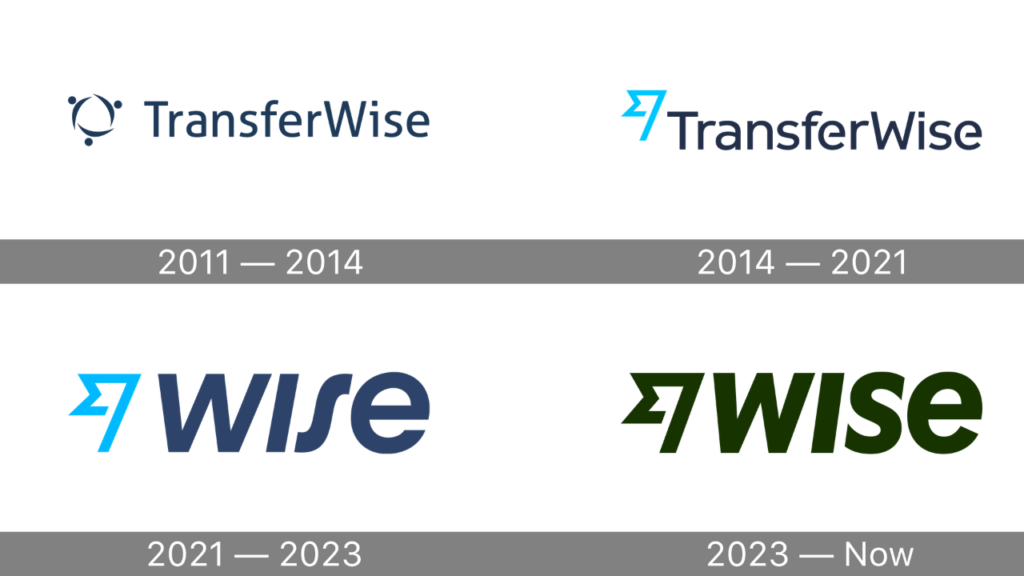
Wise was founded in 2011 by Kristo Käärmann and Taavet Hinrikus. The company was originally known as TransferWise before rebranding to Wise.
The founders created Wise after facing high international bank transfer fees while working in different countries.
Wise introduced a technology-driven platform that allowed users to transfer money internationally at significantly lower costs compared to traditional banks.
Today, Wise offers:
- International money transfers
- Multi-currency accounts
- Business banking solutions
- Debit cards
- Currency exchange services
- International payroll solutions
- Financial APIs
The Wise case study demonstrates how solving expensive cross-border banking problems created a global fintech success story.
Evolution of Wise
The Wise case study becomes more interesting when we analyze the company’s growth journey.
Initially, Wise focused mainly on peer-to-peer international money transfers. Over time, the company expanded into:
- Multi-currency banking
- Business accounts
- International payroll systems
- API-based fintech infrastructure
- Global payment solutions
- Debit card services
Major milestones in this Wise case study include:
- Expansion into global markets
- Launch of Wise debit card
- Business account services
- API infrastructure development
- IPO and global brand growth
- AI-powered financial systems
The Wise marketing strategy played a major role in positioning the company as a transparent and affordable fintech brand.
Wise Business Model Explained
The Wise business model is primarily based on digital financial services and international money transfers.
Key Components of Wise Business Model
1. International Money Transfers
The core of the Wise business model is cross-border money transfers.
Wise allows users to send money internationally at lower fees than traditional banks.
This creates:
- High transaction volume
- Recurring customer usage
- Scalable global operations
- Strong customer loyalty
The Wise revenue model benefits directly from increasing international financial transactions.
2. Multi-Currency Accounts
Another major element of the Wise business model is multi-currency banking.
Wise customers can:
- Hold multiple currencies
- Convert currencies instantly
- Receive international payments
- Manage global transactions
This strengthens user engagement and customer retention.
3. Business Financial Solutions
The Wise business model also includes services for businesses.
Wise provides:
- International payroll
- Business accounts
- Global invoicing
- API payment infrastructure
These services improve enterprise adoption and diversify revenue streams.
4. Financial Technology Infrastructure
The Wise business model increasingly focuses on fintech infrastructure solutions.
Wise offers APIs for:
- Banks
- Fintech companies
- Online businesses
- Global payment providers
This infrastructure strategy strengthens long-term scalability.
Wise Revenue Model
The Wise revenue model is one of the strongest examples of fintech-based transaction revenue systems.
Main Revenue Sources in Wise Revenue Model
Transfer Fees
The primary component of the Wise revenue model is international transfer fees.
Wise charges transparent fees for:
- Currency exchange
- International payments
- Business transactions
- Multi-currency transfers
The company’s low-fee structure attracts millions of users globally.
Currency Exchange Revenue
Another important part of the Wise revenue model is foreign exchange services.
Wise earns revenue from:
- Currency conversion margins
- Exchange fees
- Global transfer operations
Business Account Services
The Wise revenue model also includes:
- Business account subscriptions
- International payroll services
- Payment infrastructure solutions
Business services contribute significantly to company revenue.
Debit Card and Banking Services
Wise generates additional income from:
- Debit card usage
- ATM withdrawal fees
- Banking-related services
- International spending transactions
This diversification strengthens the Wise business model.
Wise Marketing Strategy
The Wise marketing strategy is considered one of the best fintech branding examples globally.
1. Transparency-Focused Branding
A major component of the Wise marketing strategy is transparency.
Wise positions itself as:
- Honest
- Affordable
- Transparent
- Customer-friendly
This branding differentiates Wise from traditional banks.
The Wise case study demonstrates how transparency creates strong customer trust.
2. Word-of-Mouth Marketing
The Wise marketing strategy heavily relies on customer referrals and word-of-mouth promotion.
Satisfied users often recommend Wise because of:
- Low fees
- Fast transfers
- Easy-to-use platform
- Transparent pricing
This organic growth strategy reduced customer acquisition costs.
3. Digital Marketing and SEO
The Wise marketing strategy also focuses heavily on digital marketing.
Wise invests in:
- SEO content
- Fintech blogs
- Educational resources
- Social media campaigns
- International finance guides
This generates massive organic traffic and brand awareness.
4. Performance Marketing
Another major part of the Wise marketing strategy is performance advertising.
Wise uses:
- Google Ads
- Social media ads
- Mobile app campaigns
- International targeting
This helps attract global users and businesses.
5. Trust-Based Messaging
The Wise marketing strategy strongly highlights:
- Real exchange rates
- No hidden charges
- Fast transfers
- Global accessibility
This customer-first messaging strengthens brand loyalty.
Why Wise Became Successful
The Wise case study reveals several reasons behind the company’s global success.
Solving Real Financial Problems
Wise simplified expensive international banking and money transfers.
The Wise business model focuses on affordability and transparency.
Lower Fees Than Traditional Banks
The Wise revenue model benefits from offering competitive pricing while maintaining high transaction volume.
Strong Customer Trust
The Wise marketing strategy positioned the company as an honest alternative to banks.
Technology-Driven Infrastructure
Wise uses advanced fintech infrastructure for:
- Faster payments
- Currency conversion
- Risk management
- International banking
This innovation keeps the Wise business model scalable.
Competitive Advantage of Wise
The Wise case study highlights several competitive advantages.
Transparent Pricing
Wise openly displays transfer fees and exchange rates.
Global Reach
Wise supports international transactions across many countries and currencies.
Fast Transactions
The Wise business model focuses heavily on speed and efficiency.
Technology Infrastructure
Wise uses automation and fintech APIs to improve operational efficiency.
Challenges Faced by Wise
The Wise case study also includes several business challenges.
Competition in Fintech
Wise competes with:
- PayPal
- Revolut
- Western Union
- Traditional banks
Competition requires continuous innovation.
Regulatory Compliance
Financial companies face strict international regulations related to:
- Banking
- Currency exchange
- Anti-money laundering
- Data security
Currency Market Volatility
Global currency fluctuations can impact financial operations and profitability.
Despite these challenges, the Wise revenue model remains highly scalable because of increasing cross-border transactions.
Wise and AI in 2026
AI has become a major focus in the Wise case study 2026.
Wise now uses AI for:
- Fraud detection
- Currency forecasting
- Payment optimization
- Customer support automation
- Financial risk analysis
The Wise marketing strategy strongly promotes secure and technology-driven financial services.
AI integration also improves the scalability of the Wise business model.
Financial Growth of Wise
The Wise revenue model has shown strong growth because international digital transactions continue increasing globally.
Major growth drivers include:
- Remote work
- Freelancing economy
- Global business expansion
- International e-commerce
- Digital banking adoption
The Wise case study demonstrates how fintech companies can scale globally through low-cost financial services.
Lessons from Wise Case Study
The Wise case study provides valuable lessons for entrepreneurs and startups.
Focus on Transparency
The Wise marketing strategy proves that honest pricing builds long-term customer trust.
Solve Real Problems
Wise succeeded because it addressed expensive international transfer fees.
Use Technology for Efficiency
The Wise business model benefits greatly from automation and fintech infrastructure.
Diversify Revenue Streams
The Wise revenue model includes transfers, business accounts, debit cards, and API services.
Future of Wise
The future of Wise looks promising as global fintech adoption continues growing.
The Wise case study suggests future opportunities in:
- AI-powered finance
- Global banking APIs
- Embedded finance
- International payroll solutions
- Cryptocurrency integration
The Wise marketing strategy will likely continue focusing on transparency, affordability, and global accessibility.
The Wise business model is also expected to expand further into fintech infrastructure and digital banking services.
Wise Case Study and Fintech Industry
The Wise case study reflects the rapid evolution of the global fintech industry.
Businesses and consumers increasingly depend on:
- Digital banking
- International transfers
- Multi-currency accounts
- AI-driven finance
- Cross-border payment systems
The Wise revenue model benefits directly from these trends.
The Wise business model also adapts quickly to:
- Consumer behavior changes
- Globalization
- Remote work growth
- International commerce expansion
Customer Loyalty and User Retention
The Wise case study highlights how customer retention became a major growth factor.
Wise retains users through:
- Transparent pricing
- Fast transfers
- Easy-to-use platform
- Global accessibility
- Reliable customer support
The Wise marketing strategy strongly focuses on user satisfaction and trust.
This customer-centric approach strengthens the Wise revenue model significantly.
Conclusion
This Wise case study clearly explains how Wise became one of the world’s leading fintech companies.
The Wise marketing strategy played a major role in building brand trust through transparency, customer-focused messaging, SEO, digital marketing, and referral growth.
Meanwhile, the Wise revenue model generated stable income through transfer fees, currency exchange services, business accounts, and fintech infrastructure solutions.
The Wise business model stands out because of its low-cost international transfers, scalable fintech ecosystem, transparent pricing structure, and AI-powered financial technology.
Businesses and entrepreneurs can learn valuable lessons from this Wise case study:
- Build transparent brands
- Solve real customer problems
- Use technology for scalability
- Diversify revenue streams
- Focus on customer trust
As global finance and digital banking continue evolving, Wise is expected to remain one of the most influential fintech platforms globally.
FAQs on Wise Case Study 2026
1. What is the Wise case study about?
The Wise case study explains how Wise became a global fintech leader through affordable international money transfers, transparent pricing, and digital banking innovation.
2. What is the Wise marketing strategy?
The Wise marketing strategy focuses on transparency, trust-building, SEO, digital marketing, referral growth, and customer-focused branding.
3. How does the Wise revenue model work?
The Wise revenue model mainly depends on transfer fees, currency exchange services, business accounts, debit card services, and fintech infrastructure solutions.
4. Why is the Wise business model successful?
The Wise business model succeeds because of its transparent pricing, global accessibility, fintech infrastructure, and scalable international payment ecosystem.
5. What can startups learn from the case study of Wise?
The case study of Wise teaches startups about transparency-driven branding, fintech innovation, customer trust, and scalable financial services.
6. How does Wise make money?
The Wise earning strategy includes international transfer fees, foreign exchange revenue, business services, debit card usage, and API infrastructure solutions.
7. What makes Wise different from competitors?
The Wise competitive strategy focuses on transparent fees, real exchange rates, faster transfers, global accessibility, and user-friendly fintech solutions.
8. How is AI impacting Wise in 2026?
AI improves Wise through fraud detection, payment optimization, currency forecasting, automated support, and financial risk management.