
Introduction to KableOne Case Study
The KableOne case study is an interesting example of how regional cable operators are transforming themselves into digital entertainment and OTT aggregation platforms. As consumer behavior shifts from traditional television viewing to on-demand streaming, companies across the media and entertainment industry are adapting rapidly. The KableOne case study highlights how a company can leverage technology, content partnerships, broadband infrastructure, and customer-centric services to remain competitive in the digital era.

The rise of OTT platforms such as Netflix, Amazon Prime Video, Disney+ Hotstar, Sony LIV, ZEE5, JioHotstar, Sun NXT, Lionsgate Play, Discovery+, and MX Player has changed the entertainment landscape significantly. Consumers increasingly prefer flexible, on-demand viewing experiences over traditional cable subscriptions. The KableOne case study demonstrates how a modern cable and digital entertainment provider can bridge the gap between traditional television services and the growing OTT ecosystem.
A major highlight of the KableOne case study is how the company evolved from being primarily a cable television provider into a digital entertainment platform capable of delivering multiple OTT services under one ecosystem. This transformation has been supported by an effective KableOne marketing strategy, a scalable KableOne revenue model, and a customer-focused KableOne business model.
KableOne Case Study: Company Evolution in the OTT Era
The KableOne case study reflects the broader transformation occurring within the entertainment and telecommunications sectors. Historically, cable operators depended heavily on monthly television subscription fees. However, the emergence of OTT platforms disrupted traditional viewing habits and forced companies to rethink their strategies.
Recognizing these market changes, KableOne expanded beyond cable distribution and embraced digital content aggregation. Instead of viewing OTT platforms as competitors, the company positioned itself as a facilitator that helps customers access multiple streaming services conveniently.
The KableOne business model evolved to include broadband connectivity, television distribution, OTT bundling, content partnerships, and digital entertainment services. This diversified approach helped KableOne stay relevant in an increasingly competitive environment.
The KableOne case study demonstrates how media companies can successfully transition from legacy business structures toward technology-driven entertainment ecosystems. By integrating popular OTT platforms into its service offerings, KableOne increased customer retention and expanded its value proposition.
Competitor Analysis and OTT Market Positioning
One of the most important aspects of understanding KableOne’s growth is evaluating its position within the rapidly expanding OTT industry. The platform operates in a highly competitive market where global streaming giants, Indian OTT services, and regional content providers compete for viewer attention.
Unlike mainstream OTT platforms that target broad audiences across multiple languages and genres, KableOne has chosen a more focused strategy centered around Punjabi-speaking viewers worldwide. This niche positioning allows the platform to serve audiences looking specifically for Punjabi-language entertainment and cultural content.
The competitive landscape includes some of the world’s largest streaming platforms. Netflix, Amazon Prime Video, JioHotstar, Sony LIV, and ZEE5 continue to dominate the Indian OTT market because of their extensive content libraries, large production budgets, and strong brand recognition. These platforms also carry Punjabi-language content, making them indirect competitors.
However, the most direct competition comes from regional OTT platforms. Services such as Chaupal, Hoichoi, and Stage have demonstrated that language-specific content can attract highly engaged audiences. These platforms focus on regional storytelling, local culture, and language preservation rather than competing directly with global entertainment catalogs.
What differentiates KableOne is its emphasis on Punjabi identity and diaspora engagement. Rather than trying to become another mass-market streaming platform, the company focuses on delivering content that resonates deeply with Punjabi communities in India, Canada, the United Kingdom, Australia, New Zealand, and the United States.
This strategic positioning creates a stronger emotional connection with viewers and helps the platform maintain relevance despite the presence of much larger competitors.
Major Competitors in the OTT Industry
| Category | Key Competitors |
| Global OTT Platforms | Netflix, Amazon Prime Video, Apple TV+ |
| Indian OTT Platforms | JioHotstar, Sony LIV, ZEE5 |
| Regional OTT Platforms | Chaupal, Hoichoi, Stage |
| Punjabi Content Providers | Chaupal, Prime Video Punjabi Catalog, ZEE5 Punjabi Content |
This competitive landscape demonstrates why the company focuses on specialization rather than attempting to compete directly with global streaming giants.
Movies and Content Library Analysis
Content remains the foundation of every successful OTT platform. The strength of KableOne lies in its extensive collection of Punjabi movies, shows, and exclusive entertainment content designed specifically for Punjabi audiences.
The platform positions itself as a dedicated destination for Punjabi entertainment, bringing together movies, television programming, original productions, live channels, and exclusive digital content under one ecosystem.
Unlike larger OTT platforms where Punjabi content represents only a small portion of the catalog, KableOne makes Punjabi entertainment its primary focus. This allows the platform to build a highly targeted content library that serves a specific audience segment.
A strong content portfolio helps attract new subscribers while encouraging existing users to remain active on the platform. This becomes especially important in an industry where customer retention is often as challenging as customer acquisition.

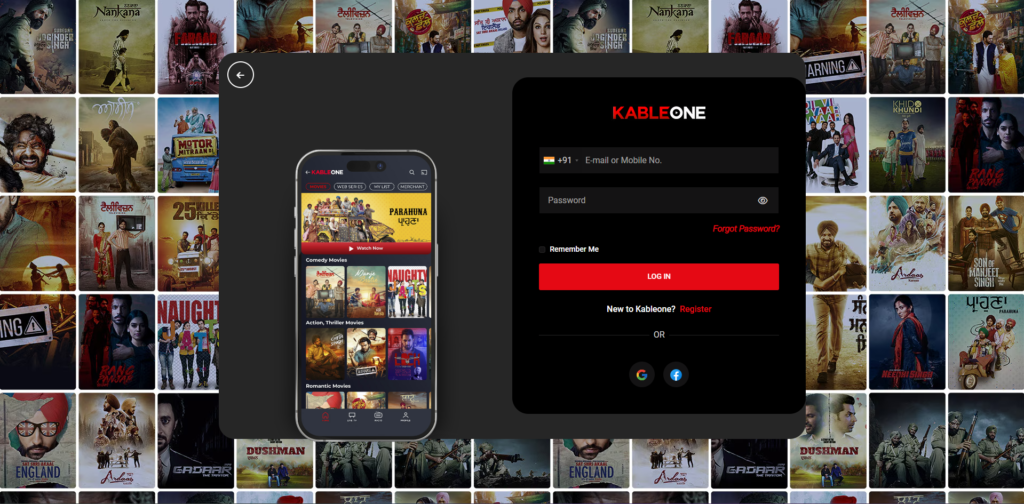
Popular Punjabi Movies Available on the Platform
The platform’s catalog includes a wide variety of Punjabi films across multiple genres including comedy, action, family drama, romance, thriller, and historical storytelling.
Some notable titles include:
- Jombieland
- Momacu
- Faraar
- Manje Bistre
- Manje Bistre 2
- Mukk Gyi Feem Dabbi Cho Yaaro
- Sucha Soorma
- MCOCA
- Cheta Singh
- Khido Khundi
- Mehar
- Jatt James Bond
- Posti
- Kulche Chole
- What The Jatt
- Parahuna
- Snowman
- Zindagi Zindabaad
- Ardaas Karaan
- The Black Prince
- Mithde
- Virsa
- Haani
The availability of both classic and modern Punjabi cinema helps the platform appeal to multiple generations of viewers.
Original Productions and Exclusive Content Strategy
The evolution from content distribution to content creation is a major milestone for any OTT platform. Original programming helps streaming services differentiate themselves and build long-term subscriber loyalty.
KableOne has increasingly invested in exclusive productions and original shows that cannot be accessed on competing platforms.
Notable original and exclusive productions include:
- Constable Harjeet Kaur
- The KableOne Talks
- The Satinder Satti Show
- Aao Sangat Kariye
- Rajdhani
- Firottiye
- Lakadbaggey
- Daaro
- Sukha Raider
Original productions create unique reasons for customers to subscribe and remain engaged. They also help build intellectual property assets that can contribute to long-term platform value.
The launch of shows such as Constable Harjeet Kaur reflects a broader shift toward original storytelling and exclusive content ownership. This strategy mirrors the approach successfully adopted by global OTT leaders such as Netflix and Amazon Prime Video.
How Exclusive Content Drives Subscriber Growth
One of the biggest challenges facing streaming platforms is subscriber retention. Users often subscribe for a specific movie or show and then cancel their subscriptions after viewing it.
Exclusive content helps address this challenge by creating ongoing engagement opportunities.
When viewers know they can access blockbuster Punjabi films, exclusive releases, original series, celebrity interviews, talk shows, and cultural programming through a single subscription, they are more likely to remain active users.
This approach creates several business advantages:
- Higher subscriber retention
- Lower churn rates
- Increased average watch time
- Stronger brand loyalty
- Greater recurring revenue stability
- Better customer lifetime value
The combination of licensed movies, original programming, live entertainment, and community-focused content creates a powerful ecosystem that appeals specifically to Punjabi audiences worldwide.
Global Punjabi Diaspora Opportunity
One of the most overlooked growth opportunities for regional OTT platforms is the global diaspora market.
Millions of Punjabis live outside India, particularly in countries such as Canada, the United Kingdom, Australia, New Zealand, and the United States. Many of these audiences actively seek Punjabi-language entertainment that reflects their culture, traditions, and identity.
While global OTT platforms offer limited Punjabi content, specialized streaming services can provide a far richer viewing experience.
This creates a significant opportunity for subscriber growth because the platform is not restricted to the Indian market alone. Instead, it can serve Punjabi audiences across multiple continents through a single digital distribution model.
As streaming adoption continues to grow globally, diaspora-focused content may become one of the company’s strongest long-term growth drivers.
KableOne Marketing Strategy: Driving Growth Through Digital Entertainment
The KableOne marketing strategy revolves around convenience, content variety, and affordability. Instead of marketing individual services separately, KableOne promotes a unified entertainment experience that combines cable television, broadband internet, and OTT content.
One major aspect of the KableOne marketing strategy is bundled entertainment packages. Customers can access television channels alongside leading OTT services such as Netflix, Amazon Prime Video, Disney+ Hotstar, Sony LIV, and ZEE5 through integrated subscription plans. This reduces subscription complexity for users while increasing perceived value.
Another key pillar of the KableOne marketing strategy is regional content accessibility. While global OTT giants dominate mainstream streaming, regional audiences continue seeking local-language entertainment. KableOne leverages this demand by providing access to regional OTT platforms and language-specific content libraries.
Digital marketing also plays a significant role in the KableOne marketing strategy. The company utilizes search engine optimization, social media campaigns, influencer collaborations, and localized advertising initiatives to reach potential customers. These efforts strengthen brand visibility while highlighting the company’s role as an entertainment aggregator.
The KableOne marketing strategy further benefits from customer education. Many consumers struggle to manage multiple OTT subscriptions. KableOne simplifies this process through bundled plans, centralized billing, and integrated user experiences. This convenience serves as a strong marketing advantage.
Referral programs, loyalty benefits, and promotional offers further enhance the KableOne marketing strategy, helping the company acquire new customers while retaining existing subscribers.
KableOne Revenue Model: Multiple Revenue Streams Driving Growth
The KableOne revenue model is designed around recurring subscriptions and diversified income sources. This approach reduces reliance on any single service category and improves financial stability.
A primary component of the KableOne revenue model is television subscription revenue. Customers continue to pay monthly fees for access to cable television channels, creating a predictable revenue stream.
Broadband services represent another major pillar of the KableOne revenue model. As internet consumption continues to increase due to streaming, gaming, remote work, and digital education, broadband subscriptions have become increasingly important.
OTT aggregation has emerged as a powerful growth engine within the KableOne revenue model. The company generates revenue through bundled subscription packages that provide access to multiple streaming services. Customers often prefer consolidated plans instead of managing separate OTT subscriptions.
Advertising opportunities also contribute to the KableOne revenue model. Through digital platforms and entertainment ecosystems, KableOne can create targeted advertising opportunities for brands seeking audience engagement.
Partnership revenue further strengthens the KableOne revenue model. Collaborations with OTT providers, content creators, telecom operators, and technology vendors create additional monetization opportunities.
The scalability of the KableOne revenue model is particularly important. As OTT adoption increases, the company can expand digital services without proportionally increasing infrastructure costs, improving long-term profitability.
KableOne Business Model: Integrating Cable, Broadband, and OTT
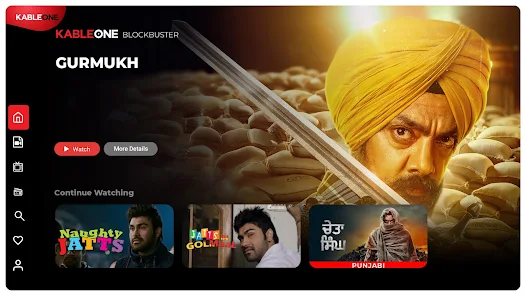
The KableOne business model is built around the convergence of connectivity and entertainment. Rather than operating solely as a cable provider, KableOne functions as a comprehensive digital entertainment platform.
At the center of the KableOne business model is content accessibility. Customers can access traditional television channels, broadband internet, and OTT services through a single ecosystem. This integrated experience improves customer satisfaction and reduces service fragmentation.
Another strength of the KableOne business model is recurring customer relationships. Monthly subscriptions create predictable revenue while enabling long-term customer engagement.
The KableOne business model also emphasizes partnerships. By collaborating with OTT platforms, technology providers, and content distributors, the company expands its offerings without developing all content internally.
Technology infrastructure plays a critical role within the KableOne business model. Reliable broadband connectivity ensures high-quality streaming experiences, which directly impacts customer satisfaction and retention.
The flexibility of the KableOne business model allows the company to adapt quickly as consumer preferences evolve. Whether demand shifts toward live sports streaming, regional content, or premium entertainment, KableOne can adjust its service portfolio accordingly.
OTT Ecosystem in the KableOne Case Study
A defining characteristic of the KableOne case study is its participation in the rapidly growing OTT ecosystem. Modern consumers increasingly subscribe to multiple streaming services simultaneously. However, managing separate subscriptions can be inconvenient and expensive.
The KableOne marketing strategy addresses this challenge by positioning the company as an entertainment aggregator. Customers gain access to various OTT platforms through consolidated packages, creating a seamless user experience.
Popular OTT platforms influencing the KableOne case study include:
- Netflix
- Amazon Prime Video
- Disney+ Hotstar
- Sony LIV
- ZEE5
- JioHotstar
- Sun NXT
- Discovery+
- Lionsgate Play
- MX Player
- Chaupal
- Hoichoi
- Aha
- ManoramaMAX
The growing popularity of regional OTT platforms presents significant opportunities within the KableOne business model. As viewers seek localized content, KableOne can strengthen its market position by expanding regional entertainment partnerships.
OTT integration also supports the KableOne revenue model by increasing average revenue per user and reducing customer churn. Subscribers who access multiple services through a single provider are less likely to switch platforms.
Competitive Advantages Highlighted in the KableOne Case Study
The KableOne case study demonstrates several competitive advantages that support long-term growth. First, the company’s ability to combine traditional television services with modern OTT experiences creates a unique market position.
Second, the KableOne marketing strategy emphasizes convenience and value, addressing a common pain point among consumers who manage multiple subscriptions.
Third, the KableOne revenue model benefits from diversification across television, broadband, OTT services, advertising, and partnerships.
Finally, the KableOne business model is highly adaptable, enabling the company to evolve alongside changing consumer preferences and technological advancements.
Future Outlook for KableOne Case Study 2026
The future of the KableOne case study appears promising as OTT consumption continues growing globally. Industry trends suggest that consumers will increasingly prefer bundled digital entertainment experiences over fragmented subscriptions.
The KableOne marketing strategy is expected to focus more heavily on personalization, AI-driven recommendations, and integrated entertainment ecosystems.
The KableOne revenue model may expand further through premium content partnerships, exclusive entertainment packages, and advanced digital services.
The KableOne business model is likely to continue evolving toward a fully integrated entertainment and connectivity platform, positioning the company to capitalize on future digital consumption trends.
Overall, the KableOne case study offers valuable lessons about digital transformation, OTT aggregation, customer retention, and sustainable business growth in the rapidly evolving media industry.
FAQs About KableOne Case Study
Why is KableOne’s customer acquisition approach successful?
The company’s growth is supported by a well-executed KableOne marketing strategy that combines digital marketing, content creation, customer referrals, and brand-building initiatives.
How does KableOne generate revenue?
The KableOne revenue model relies on subscription services, premium offerings, bundled packages, partnerships, and recurring customer relationships.
What makes the KableOne operational framework unique?
The KableOne business model integrates technology, service quality, customer support, and operational efficiency into a scalable structure.
How important is branding in KableOne’s success?
Brand development is a major part of the KableOne marketing strategy, helping the company establish trust and differentiate itself from competitors.
Is the KableOne monetization structure scalable?
Yes, the KableOne revenue model is designed for scalability through recurring subscriptions, service upgrades, and customer retention.
Why do entrepreneurs study KableOne’s growth framework?
Many entrepreneurs analyze the KableOne business model and the broader KableOne case study to understand how modern companies can achieve sustainable expansion and long-term profitability.
What lessons can businesses learn from KableOne?
Organizations can learn from the KableOne case study by focusing on customer needs, investing in innovation, and building sustainable revenue streams.