

Introduction to BigCommerce Case Study 2026
BigCommerce has emerged as one of the leading SaaS-based e-commerce platforms in the global online retail industry. This BigCommerce case study explains how the company built a strong presence in the highly competitive e-commerce market by offering scalable solutions for businesses of all sizes.
In this detailed BigCommerce case study, we will explore the BigCommerce marketing strategy, BigCommerce revenue model, and BigCommerce business model that helped the company compete against major e-commerce platforms globally. From subscription-based solutions and enterprise commerce services to omnichannel retail support, BigCommerce has successfully created a scalable e-commerce ecosystem.
The BigCommerce case study also highlights how the company focuses on flexibility, innovation, customer support, and enterprise-level commerce solutions. Whether you are a startup founder, digital marketer, entrepreneur, or business student, understanding the BigCommerce business model and BigCommerce revenue model can provide valuable insights into the modern SaaS and e-commerce industry.
Overview of BigCommerce
BigCommerce was founded in 2009 by Eddie Machaalani and Mitchell Harper. The company was created to help businesses easily build and manage online stores without requiring advanced technical skills.
Over the years, BigCommerce expanded its services and became a major player in the global e-commerce software market.
Today, BigCommerce offers:
- Online store creation
- Multi-channel selling
- Payment integrations
- SEO tools
- Inventory management
- Enterprise commerce solutions
- API-based commerce infrastructure
The BigCommerce case study demonstrates how solving merchant challenges helped the company scale internationally.
Evolution of BigCommerce
The BigCommerce case study becomes more interesting when we analyze its business growth journey.
Initially, BigCommerce focused mainly on small and medium-sized businesses. Over time, the company expanded into enterprise commerce solutions and omnichannel retail technology.
Major milestones in this BigCommerce case study include:
- Expansion into global markets
- Launch of enterprise solutions
- API-first commerce platform
- Omnichannel integrations
- Partnerships with major technology companies
- AI-powered e-commerce solutions
The BigCommerce marketing strategy played a crucial role in positioning the company as a flexible and scalable commerce platform.
The company differentiated itself by offering advanced customization and enterprise-friendly solutions.
BigCommerce Business Model Explained
The BigCommerce business model is primarily based on Software-as-a-Service (SaaS). Merchants pay recurring subscription fees to use the platform’s e-commerce tools and infrastructure.
Key Components of BigCommerce Business Model
1. Subscription-Based SaaS Platform
The core of the BigCommerce business model is recurring subscription revenue.
Businesses subscribe to plans based on:
- Store size
- Sales volume
- Features required
- Enterprise requirements
This recurring subscription structure makes the BigCommerce revenue model stable and scalable.
The SaaS-based BigCommerce business model allows merchants to launch online stores without heavy infrastructure investment.
2. Enterprise Commerce Solutions
Another major element of the BigCommerce business model is enterprise commerce.
BigCommerce provides advanced solutions for large businesses needing:
- API integrations
- Headless commerce
- Multi-store management
- Custom workflows
Enterprise subscriptions contribute significantly to the BigCommerce revenue model.
3. Partner and App Ecosystem
The BigCommerce business model also includes an ecosystem of:
- App developers
- Agencies
- Technology partners
- Payment providers
This ecosystem strengthens customer retention and increases platform functionality.
The BigCommerce case study proves how ecosystems help SaaS companies scale effectively.
4. Omnichannel Commerce
A major advantage in the BigCommerce business model is omnichannel commerce integration.
Merchants can sell through:
- Websites
- Social media
- Marketplaces
- Retail stores
This flexibility improves customer satisfaction and merchant retention.
BigCommerce Revenue Model
The BigCommerce revenue model is designed around recurring SaaS income and commerce-related services.
Main Revenue Sources in BigCommerce Revenue Model
Subscription Revenue
The primary source in the BigCommerce revenue model is subscription fees.
Merchants pay for:
- Standard plans
- Plus plans
- Pro plans
- Enterprise plans
This predictable recurring revenue strengthens long-term business stability.
Enterprise Solutions Revenue
Enterprise customers are a major contributor to the BigCommerce revenue model.
Large brands require:
- Advanced APIs
- Custom integrations
- Dedicated support
- Enterprise-grade security
These premium services increase average customer value.
Partner Ecosystem Revenue
The BigCommerce business model also generates income through partnerships and app marketplace collaborations.
This includes:
- Integration partnerships
- Technology collaborations
- Agency ecosystem support
Commerce Services
Additional commerce-related services strengthen the BigCommerce revenue model, including:
- Payment integrations
- Hosting services
- Advanced analytics
- Premium support
BigCommerce Marketing Strategy
The BigCommerce marketing strategy focuses heavily on content marketing, enterprise branding, and omnichannel commerce education.
1. Content Marketing and SEO
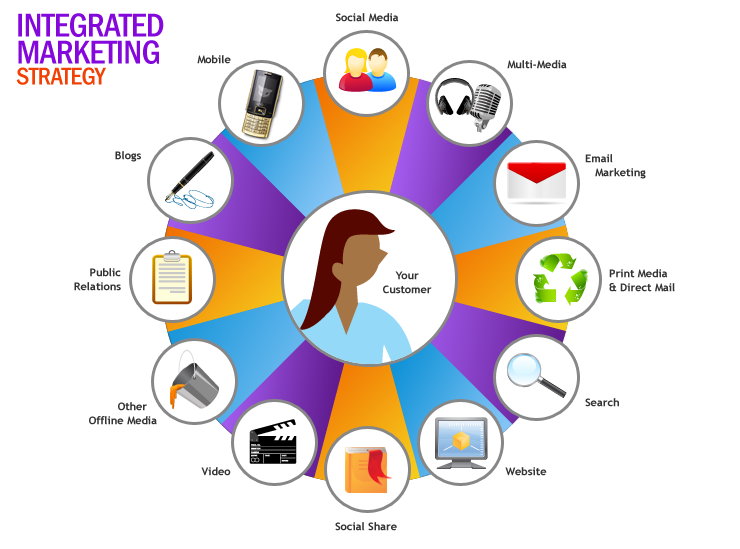
A major part of the BigCommerce marketing strategy is educational content.
BigCommerce publishes:
- E-commerce guides
- SEO tutorials
- Online selling strategies
- Case studies
- Marketing blogs
- Industry reports
This content-driven approach generates strong organic traffic.
The BigCommerce case study proves the effectiveness of inbound marketing for SaaS companies.
2. Enterprise Branding
The BigCommerce marketing strategy positions the platform as a scalable solution for growing businesses and enterprises.
The company focuses on:
- Flexibility
- Open SaaS architecture
- Enterprise customization
- Scalability
This branding differentiates BigCommerce from competitors.
3. Partnership Marketing
The BigCommerce marketing strategy also relies heavily on partnerships with:
- Payment providers
- Technology companies
- Agencies
- E-commerce consultants
These partnerships expand market reach and improve platform credibility.
4. Omnichannel Commerce Promotion
Another major strength of the BigCommerce marketing strategy is promoting omnichannel commerce capabilities.
BigCommerce supports integrations with:
- Amazon
- eBay
This improves merchant sales opportunities and platform adoption.
5. Webinars and Educational Events
The BigCommerce marketing strategy also includes:
- Virtual conferences
- Webinars
- E-commerce workshops
- Educational partnerships
This helps build trust among merchants and enterprises.
Why BigCommerce Became Successful
The BigCommerce case study reveals several reasons behind the company’s success.
Flexible Commerce Infrastructure
BigCommerce offers open architecture and flexible APIs.
The BigCommerce business model benefits greatly from developer-friendly infrastructure.
Focus on Enterprise Growth
The company expanded successfully into enterprise commerce solutions.
This strengthened the BigCommerce revenue model significantly.
Omnichannel Selling
The ability to sell across multiple channels improved customer retention.
The BigCommerce marketing strategy heavily promoted this capability.
Strong Partner Ecosystem
Technology partnerships increased platform functionality and business growth.
Competitive Advantage of BigCommerce
The BigCommerce case study demonstrates several competitive advantages.
Open SaaS Architecture
BigCommerce allows greater customization compared to many competitors.
Enterprise Scalability
The BigCommerce business model supports both startups and large enterprises effectively.
Omnichannel Commerce
BigCommerce merchants can manage multiple sales channels from one platform.
Strong SEO Features
The BigCommerce marketing strategy highlights built-in SEO capabilities for online stores.
Challenges Faced by BigCommerce
The BigCommerce case study also includes challenges faced by the company.
Intense Competition
BigCommerce competes with:
- Shopify
- WooCommerce
- Magento
- Wix
Competition forces continuous innovation.
Customer Acquisition Costs
The SaaS e-commerce market has rising advertising and acquisition costs.
Enterprise Complexity
Managing enterprise-level integrations and customization can increase operational challenges.
Despite these issues, the BigCommerce revenue model remains scalable because of recurring subscription income.
BigCommerce and AI in 2026
AI has become a major focus in the BigCommerce case study 2026.
BigCommerce now uses AI for:
- Product recommendations
- Personalized shopping
- Automated marketing
- Customer analytics
- Inventory forecasting
The BigCommerce marketing strategy strongly promotes AI-driven commerce experiences.
AI integration also improves the scalability of the BigCommerce business model.
Financial Growth of BigCommerce
The BigCommerce revenue model has shown strong growth because of increasing global e-commerce adoption.
Major growth drivers include:
- Online shopping growth
- Digital transformation
- Omnichannel retail demand
- Enterprise e-commerce adoption
The BigCommerce case study demonstrates how SaaS-based commerce platforms can scale globally.
Lessons from BigCommerce Case Study
The BigCommerce case study provides valuable lessons for entrepreneurs and startups.
Build Scalable SaaS Infrastructure
The BigCommerce business model proves the importance of scalable cloud-based infrastructure.
Focus on Enterprise Opportunities
Enterprise clients contribute significantly to recurring SaaS revenue.
Invest in Ecosystems
The BigCommerce marketing strategy benefits greatly from partnerships and app ecosystems.
Prioritize Omnichannel Commerce
Modern businesses require integrated online and offline commerce experiences.
Future of BigCommerce
The future of BigCommerce looks promising as global e-commerce continues expanding.
The BigCommerce case study suggests future opportunities in:
- AI-powered commerce
- Headless commerce
- Social commerce
- Voice shopping
- Global digital payments
The BigCommerce marketing strategy will likely continue focusing on flexibility, enterprise growth, and omnichannel commerce.
The BigCommerce business model is also expected to expand into AI-powered retail technology and automation solutions.
BigCommerce Case Study and E-Commerce Industry
The BigCommerce case study reflects the rapid evolution of global e-commerce.
Businesses increasingly depend on:
- Online stores
- Mobile commerce
- Social commerce
- AI-driven shopping experiences
- Omnichannel retail
The BigCommerce revenue model benefits directly from these trends.
The BigCommerce business model also adapts quickly to:
- Consumer behavior changes
- AI adoption
- Mobile shopping growth
- Marketplace integrations
Customer Retention and Merchant Loyalty
The BigCommerce case study highlights how customer loyalty became a major success factor.
BigCommerce retains merchants through:
- Reliable infrastructure
- Customization flexibility
- SEO tools
- Enterprise support
- Partner integrations
The BigCommerce marketing strategy focuses heavily on helping merchants grow their businesses successfully.
This customer-centric approach strengthens the BigCommerce revenue model significantly.
Conclusion
This BigCommerce case study clearly explains how BigCommerce became one of the leading SaaS-based e-commerce platforms globally.
The BigCommerce marketing strategy played a major role in building authority through educational content, enterprise branding, partnerships, and omnichannel commerce promotion.
Meanwhile, the BigCommerce revenue model generated stable recurring income through subscriptions, enterprise commerce solutions, and ecosystem partnerships.
The BigCommerce business model stands out because of its open SaaS architecture, enterprise scalability, omnichannel commerce support, and AI-powered innovation.
Businesses and entrepreneurs can learn valuable lessons from this BigCommerce case study:
- Build scalable SaaS platforms
- Focus on recurring revenue
- Invest in ecosystems
- Prioritize customer flexibility
- Expand through innovation
As e-commerce and AI continue evolving, BigCommerce is expected to remain one of the most influential commerce technology platforms globally.
FAQs on BigCommerce Case Study 2026
1. What is the BigCommerce case study about?
The BigCommerce case study explains how BigCommerce became a leading SaaS e-commerce platform through innovation, enterprise commerce solutions, and omnichannel retail technology.
2. What is the BigCommerce marketing strategy?
The BigCommerce marketing strategy focuses on content marketing, SEO, partnerships, enterprise branding, and omnichannel commerce education.
3. How does the BigCommerce revenue model work?
The BigCommerce revenue model mainly depends on recurring SaaS subscriptions, enterprise solutions, commerce services, and ecosystem partnerships.
4. Why is the BigCommerce business model successful?
The BigCommerce business model succeeds because of its open SaaS architecture, enterprise scalability, omnichannel commerce capabilities, and recurring revenue structure.
5. What can startups learn from the case study of BigCommerce?
The case study of BigCommerce teaches startups about SaaS scaling, enterprise growth, ecosystem building, and customer-focused commerce innovation.
6. How does BigCommerce earn money?
The BigCommerce earning strategy includes subscription plans, enterprise solutions, commerce integrations, premium support, and partner ecosystem revenue.
7. What makes BigCommerce different from competitors?
The BigCommerce competitive strategy focuses on open architecture, flexibility, omnichannel commerce, enterprise scalability, and strong SEO capabilities.
8. How is AI impacting BigCommerce in 2026?
AI improves BigCommerce through personalized recommendations, automated marketing, customer analytics, inventory forecasting, and smarter commerce automation.