

Introduction to Stripe Case Study
The Stripe case study is one of the most inspiring stories in the global fintech industry. In this detailed Stripe case study 2026, we will explore how Stripe transformed online payments for businesses worldwide and became one of the most valuable fintech companies in the world. From startups to multinational enterprises, Stripe has become a trusted payment infrastructure provider for millions of businesses.
This Stripe case study explains how the company simplified digital payments, expanded globally, and built a scalable fintech ecosystem. The success of Stripe is strongly connected to its innovative Stripe marketing strategy, scalable Stripe revenue model, and highly efficient Stripe business model.


Founded by Irish brothers Patrick Collison and John Collison, Patrick Collison and John Collison launched Stripe with a mission to increase the GDP of the internet. Today, the company powers online transactions for startups, enterprises, SaaS businesses, marketplaces, and eCommerce companies worldwide.
In this Stripe case study, we will deeply analyze the growth journey, company background, challenges, opportunities, innovations, financial success, Stripe marketing strategy, Stripe revenue model, and Stripe business model that helped Stripe dominate the fintech industry.
Company Overview in Stripe Case Study
| Company Name | Stripe |
| Founded | 2010 |
| Founders | Patrick Collison & John Collison |
| Industry | Fintech & Online Payments |
| Headquarters | San Francisco, California |
| Services | Payment Processing, APIs, Banking Solutions |
| Valuation | Over $65 Billion (estimated) |
| Customers | Millions of Businesses Worldwide |
The Stripe case study demonstrates how a simple idea can disrupt an entire financial ecosystem. Stripe focused on solving one major problem: online payment integration was difficult for developers and businesses. By making APIs simple and developer-friendly, Stripe rapidly gained adoption.
Another reason why this Stripe case study is important is because Stripe successfully expanded from payments into financial infrastructure, subscription billing, banking APIs, fraud prevention, and business financing.
The Origin Story of Stripe Case Study
The beginning of the Stripe case study started when the Collison brothers noticed that online payment systems were outdated and difficult to integrate. Developers often spent weeks setting up payment gateways. Stripe solved this issue by offering easy-to-use APIs that required only a few lines of code.
This innovation became the foundation of the Stripe business model. Instead of creating traditional banking services, Stripe focused on becoming an internet-first financial infrastructure company.
The early success in the Stripe case study came from startup adoption. Many Silicon Valley startups preferred Stripe because of its simplicity and fast onboarding process. Over time, Stripe expanded globally and became a payment partner for businesses of all sizes.
Stripe Business Model Explained
The Stripe business model is based on providing digital payment infrastructure and financial services to businesses. Stripe earns money whenever businesses process transactions using its platform.
The main strength of the Stripe business model is scalability. Businesses from small startups to large enterprises can use Stripe’s services without changing infrastructure.
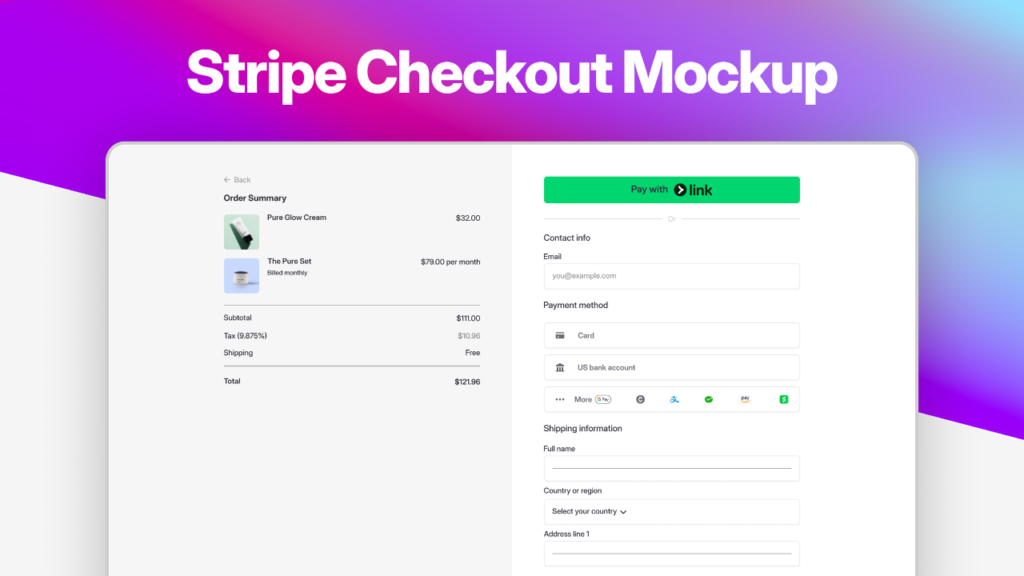
Key Components of Stripe Business Model
1. Payment Processing
The core of the Stripe business model is payment processing. Stripe allows businesses to accept payments online using credit cards, debit cards, wallets, and bank transfers.
2. Subscription Billing
Another major part of the Stripe business model is recurring payment management for SaaS and subscription-based businesses.
3. Financial Infrastructure
Stripe also offers banking APIs, virtual cards, treasury services, and financial automation tools.
4. Fraud Prevention
Stripe Radar uses AI and machine learning to detect fraud. This feature strengthens the Stripe business model by increasing trust among businesses.
5. Global Expansion
The Stripe business model supports multiple currencies and payment methods worldwide, helping businesses expand internationally.
The scalability and innovation in the Stripe business model helped Stripe become a leader in fintech.
Stripe Revenue Model Analysis
The Stripe revenue model is highly scalable and transaction-driven. Stripe earns a percentage fee on every payment processed through its platform.
Main Sources in Stripe Revenue Model
Transaction Fees
The primary component of the Stripe revenue model is transaction processing fees. Stripe charges businesses a fixed percentage plus a small fee per transaction.
Subscription Services
The Stripe revenue model also includes subscription billing tools that help SaaS companies automate recurring payments.
Stripe Atlas
Stripe Atlas helps startups incorporate companies and open bank accounts. This contributes to the Stripe revenue model through service fees.
Banking and Treasury Services
Financial products like treasury APIs, cards, and lending services are growing segments of the Stripe revenue model.
Fraud Prevention Tools
Businesses pay for advanced fraud detection and risk management tools, adding another layer to the Stripe revenue model.
Enterprise Solutions
Large businesses using customized enterprise payment systems also contribute significantly to the Stripe revenue model.
The diversified nature of the Stripe revenue model ensures long-term profitability and growth.
Stripe Marketing Strategy in Detail
The Stripe marketing strategy is one of the biggest reasons behind the company’s global success. Instead of relying heavily on traditional advertising, Stripe focused on developer communities, partnerships, and product-led growth.

1. Developer-Focused Approach
The biggest strength of the Stripe marketing strategy is targeting developers directly. Stripe created detailed documentation, APIs, and tools that developers loved using.
This developer-first approach became a major growth engine in the Stripe marketing strategy.
2. Product-Led Growth
Another major element of the Stripe marketing strategy is product simplicity. Businesses adopted Stripe because integration was fast and user-friendly.
The simplicity of onboarding reduced friction and improved customer retention.
3. Startup Ecosystem Partnerships
The Stripe marketing strategy included partnerships with startup accelerators, venture capital firms, and SaaS companies.
Many startups adopted Stripe early because investors and incubators recommended it.
4. Content Marketing
Stripe invests heavily in educational content, developer guides, fintech insights, and API documentation. This content-driven Stripe marketing strategy improved organic traffic and brand authority.
5. Global Expansion Marketing
Stripe localized services for international markets, which strengthened the Stripe marketing strategy worldwide.
6. Enterprise Branding
Stripe expanded from startups to enterprise businesses through trust-building campaigns and infrastructure reliability.
This enterprise-focused Stripe marketing strategy helped Stripe attract multinational corporations.
The innovative Stripe marketing strategy allowed the company to grow organically with minimal dependence on traditional ads.
Growth Journey in Stripe Case Study
The growth story in this Stripe case study highlights how the company scaled rapidly in a competitive market.
Early Funding Success
Stripe quickly attracted investors due to its developer-friendly payment solution. Companies and investors saw huge potential in the platform.
Rapid Startup Adoption
Startups adopted Stripe because traditional payment systems were complicated. This early traction accelerated the Stripe case study growth story.
Expansion into Enterprise Market
The Stripe case study became even more impressive when large enterprises started using Stripe for global payments.
International Expansion
Stripe expanded into Europe, Asia, and other regions, making the company a global fintech leader.
Product Diversification
The company moved beyond payments into subscriptions, fraud prevention, banking, and financial APIs.
This diversification strengthened both the Stripe business model and Stripe revenue model.
Why Stripe Became Successful
The success in this Stripe case study is linked to several factors.
Simplicity
Stripe made online payments easy for developers and businesses.
Scalability
The Stripe business model supports businesses of all sizes.
Innovation
Constant product innovation strengthened the Stripe marketing strategy and customer trust.
Global Reach
International payment support increased adoption worldwide.
Strong Developer Community
Developers became advocates of Stripe because of its user-friendly APIs.
Competitive Advantage in Stripe Case Study
The Stripe case study also highlights the company’s competitive strengths.
| Competitive Factor | Stripe Advantage |
| Developer APIs | Simple & Flexible |
| Global Payments | Multi-country support |
| Fraud Detection | AI-powered security |
| Business Tools | Subscription & billing |
| Brand Reputation | Trusted fintech leader |
These strengths improved the Stripe business model and increased the scalability of the Stripe revenue model.
Challenges Faced by Stripe
Every successful company faces challenges, and the Stripe case study is no exception.
Regulatory Compliance
Operating globally requires compliance with financial regulations in multiple countries.
Competition
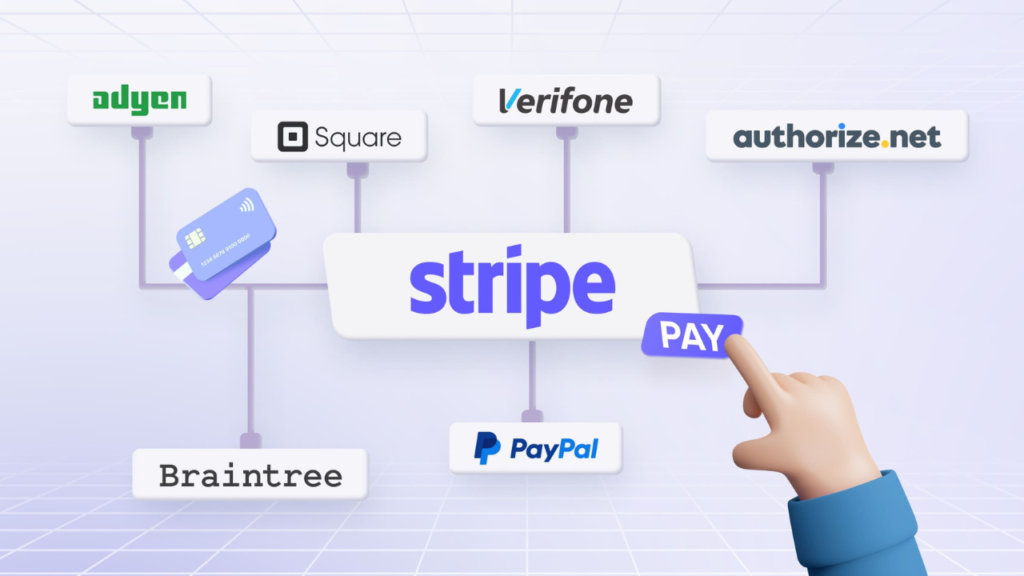
Stripe competes with payment giants like PayPal, Square, and Adyen.
Fraud and Security
Payment fraud remains a major challenge for fintech companies.
Economic Uncertainty
Global economic slowdowns can impact transaction volumes and revenue growth.
Despite these challenges, the Stripe marketing strategy, Stripe business model, and Stripe revenue model continue to support long-term growth.
Stripe’s Technology Innovation
Technology plays a major role in the Stripe case study.
API Infrastructure
Stripe’s APIs are considered among the best in the fintech industry.
AI-Based Fraud Detection
Machine learning tools help reduce payment fraud.
Cloud-Based Architecture
The scalable infrastructure supports millions of transactions daily.
Automation Tools
Stripe automates payment processing, billing, and compliance tasks.
These innovations strengthen the Stripe business model and improve the efficiency of the Stripe revenue model.
Stripe Case Study for Startups
The Stripe case study provides several lessons for startups.
Focus on User Experience
Stripe succeeded because it simplified a complicated process.
Build for Developers
Developer-friendly products can drive rapid adoption.
Expand Gradually
Stripe started with payments and later expanded into broader financial services.
Prioritize Scalability
A scalable Stripe business model helped the company handle global growth.
Diversify Revenue Streams
The diversified Stripe revenue model reduced dependency on one service.
Financial Performance in Stripe Case Study

The financial growth in the Stripe case study reflects the increasing demand for digital payments.
Stripe processes hundreds of billions of dollars annually through its platform. As eCommerce and SaaS industries continue growing, Stripe’s market opportunity also expands.
The success of the Stripe revenue model allows the company to invest heavily in innovation, acquisitions, and global expansion.
Future of Stripe in 2026 and Beyond
The future outlook in this Stripe case study remains highly positive.
AI Integration
Stripe is increasingly using AI for fraud detection, automation, and analytics.
Banking Expansion
The Stripe business model may continue expanding into banking infrastructure and embedded finance.
International Growth
Emerging markets present massive opportunities for Stripe.
Enterprise Solutions
Stripe is expected to strengthen enterprise payment solutions further.
Crypto and Digital Assets
The company may continue exploring blockchain and digital payment innovations.
The evolving Stripe marketing strategy will likely focus on enterprise adoption, AI tools, and global partnerships.
Key Takeaways from Stripe Case Study
Here are the biggest lessons from this Stripe case study:
- Simplicity can disrupt large industries.
- Developer-focused products create strong communities.
- A scalable Stripe business model supports long-term growth.
- Diversified income sources strengthen the Stripe revenue model.
- Product-led growth is a powerful Stripe marketing strategy.
- Innovation and global expansion drive market leadership.
Conclusion
The Stripe case study is a perfect example of how innovation, simplicity, and scalability can transform an industry. Stripe successfully disrupted online payments by creating developer-friendly financial infrastructure that businesses around the world trust.
The company’s success is deeply connected to its scalable Stripe business model, diversified Stripe revenue model, and highly effective Stripe marketing strategy. Stripe not only simplified online payments but also expanded into broader financial services that power the digital economy.
As digital commerce continues growing globally, the future of Stripe looks extremely promising. This Stripe case study 2026 proves that focusing on user experience, scalability, and innovation can help companies achieve massive global success.
FAQs on Stripe Case Study
1. What is the Stripe case study about?
The Stripe case study explains how Stripe became a global fintech leader through innovation, digital payments, and scalable financial infrastructure.
2. What is Stripe marketing strategy?
The Stripe marketing strategy focuses on developer-first marketing, product-led growth, partnerships, educational content, and enterprise branding.
3. What is Stripe revenue model?
The Stripe revenue model is mainly based on transaction fees, subscription services, fraud prevention tools, enterprise solutions, and banking services.
4. What is Stripe business model?
The Stripe business model revolves around providing payment infrastructure, APIs, billing systems, fraud prevention, and financial services to businesses.
5. Why is Stripe successful?
Stripe became successful because of simple APIs, scalable infrastructure, strong developer adoption, and an effective Stripe marketing strategy.
6. How does Stripe make money globally?
The company earns through the Stripe revenue model, which includes transaction fees, financial services, subscription tools, and enterprise payment systems.
7. What makes Stripe business model unique?
The Stripe business model is unique because it combines developer-friendly technology with scalable financial infrastructure.
8. How important is Stripe marketing strategy in company growth?
The Stripe marketing strategy played a major role in organic growth, startup adoption, and enterprise expansion.
9. What can startups learn from Stripe case study?
Startups can learn product simplicity, customer-focused innovation, scalability, and revenue diversification from the Stripe case study.
10. What is the future of Stripe according to Stripe case study 2026?
The future of Stripe includes AI integration, global expansion, embedded finance, enterprise growth, and advanced fintech innovation.