

Introduction to Shopify Case Study 2026
The Shopify has become one of the world’s leading e-commerce platforms, empowering millions of businesses to build online stores and sell products globally. This Shopify case study explores how Shopify transformed from a small online snowboard store into a multi-billion-dollar SaaS and e-commerce ecosystem.
In this detailed Shopify case study, we will analyze the Shopify marketing strategy, Shopify revenue model, and Shopify business model that helped the company dominate the global e-commerce industry. From subscription-based services and payment solutions to app ecosystems and AI-driven commerce tools, Shopify continues shaping the future of online business.


The Shopify case study also explains how the company scaled rapidly through innovation, partnerships, customer-focused solutions, and digital entrepreneurship. Whether you are an entrepreneur, marketer, startup founder, or business student, understanding the Shopify business model and Shopify revenue model provides valuable insights into building scalable online businesses.
Overview of Shopify
Shopify was founded in 2006 by Tobias Lütke, Daniel Weinand, and Scott Lake. Initially, the founders wanted to create an online snowboard store but struggled with existing e-commerce platforms.
As a result, they built their own e-commerce software, which later evolved into Shopify.
Today, Shopify powers millions of businesses worldwide and offers:
- Online store creation
- Payment processing
- Inventory management
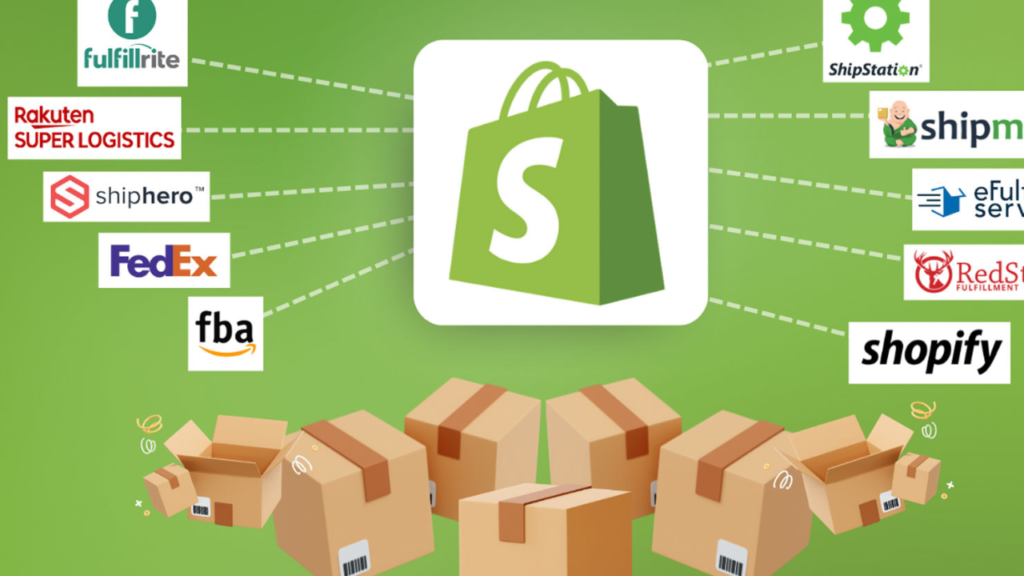
- Shipping solutions
- Marketing tools
- AI-powered commerce solutions
- App integrations
The Shopify case study demonstrates how solving a personal business problem created a global SaaS success story.
Evolution of Shopify
The Shopify case study becomes more interesting when we analyze the company’s rapid growth journey.
Initially, Shopify focused on helping small businesses create online stores easily. Over time, the platform expanded into:
- Enterprise commerce
- Mobile commerce
- Social commerce
- AI-driven e-commerce
- Omnichannel retail
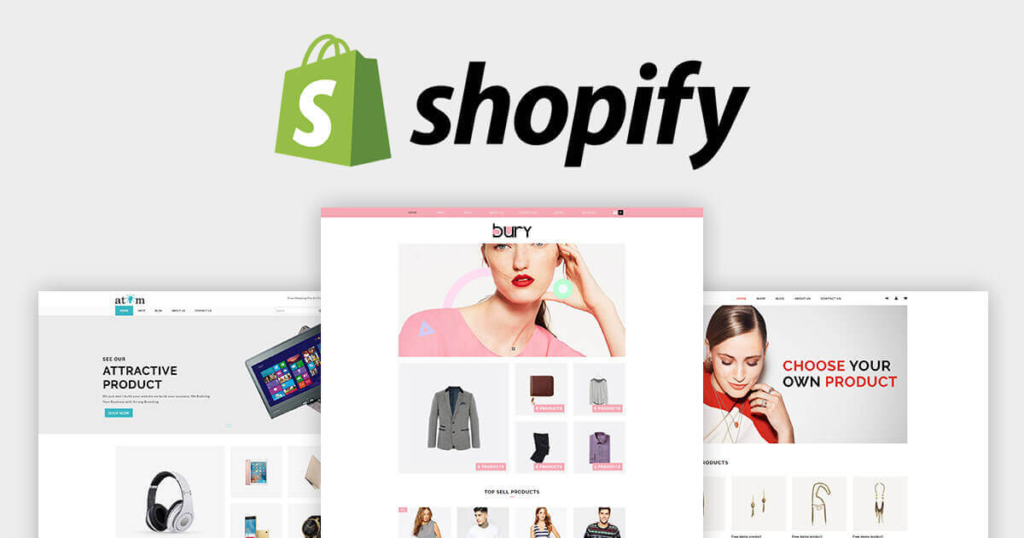
Major milestones in this Shopify case study include:
- Launch of Shopify App Store
- Introduction of Shopify Payments
- Expansion into Shopify Plus
- Global merchant ecosystem growth
- AI-powered commerce tools
- Social media integrations
The Shopify marketing strategy played a huge role in positioning Shopify as the preferred platform for entrepreneurs and online sellers.
Shopify Business Model Explained
The Shopify business model is primarily based on Software-as-a-Service (SaaS) combined with commerce infrastructure services.
Key Components of Shopify Business Model
1. Subscription-Based SaaS Platform
One of the main strengths of the Shopify business model is recurring subscription revenue.
Users pay monthly or annual fees to access Shopify tools and features.
Subscription plans include:
- Basic Shopify
- Shopify
- Advanced Shopify
- Shopify Plus
This recurring revenue structure makes the Shopify revenue model highly scalable.
The Shopify business model benefits from millions of active merchants worldwide.
2. Merchant Solutions Ecosystem
The Shopify business model extends beyond subscriptions.
Shopify also provides:
- Payment processing
- Shipping solutions
- POS systems
- Marketing tools
- Financial services
These merchant services significantly strengthen the Shopify revenue model.
The Shopify case study proves that ecosystem expansion increases customer dependency and lifetime value.
3. App Marketplace
Another important component of the Shopify business model is the Shopify App Store.
Third-party developers build apps that integrate with Shopify stores.
This ecosystem helps:
- Improve platform functionality
- Increase merchant customization
- Generate commission revenue
- Strengthen community engagement
The Shopify marketing strategy promotes this ecosystem heavily to attract developers and businesses.
4. Enterprise Commerce Solutions
The Shopify business model also focuses on large enterprises through Shopify Plus.
Enterprise customers contribute significantly to the Shopify revenue model because of premium pricing and large transaction volumes.
Shopify Revenue Model
The Shopify revenue model is one of the strongest in the e-commerce SaaS industry.
Main Revenue Sources in Shopify Revenue Model
Subscription Revenue
The primary component of the Shopify revenue model is subscription fees paid by merchants.
Businesses subscribe based on:
- Store size
- Features required
- Sales volume
- Team requirements
This recurring subscription structure provides predictable income.
Merchant Solutions Revenue
Merchant services are a massive part of the Shopify revenue model.
This includes:
- Shopify Payments
- Transaction fees
- Shipping fees
- POS hardware sales
- Financial products
Merchant solutions contribute heavily to overall company revenue.
App Store Commissions
The Shopify business model generates additional income through app marketplace commissions.
Developers pay fees or share revenue with Shopify.
Shopify Plus Revenue
Enterprise commerce solutions generate premium income and strengthen the Shopify revenue model further.
Large brands require:
- Advanced automation
- Dedicated support
- Custom integrations
- Enterprise analytics
Shopify Marketing Strategy
The Shopify marketing strategy is considered one of the best examples of SaaS and e-commerce marketing success.
1. Entrepreneur-Focused Branding
A major element of the Shopify marketing strategy is empowering entrepreneurs.
Shopify positions itself as a platform that helps anyone start an online business easily.
This emotional branding creates strong customer loyalty.
The Shopify case study shows how mission-driven branding improves customer acquisition.
2. Content Marketing and SEO
The Shopify marketing strategy relies heavily on SEO and educational content.
Shopify publishes:
- E-commerce guides
- Business tutorials
- Marketing blogs
- Dropshipping content
- SEO articles
- Entrepreneurship tips
This generates massive organic traffic.
The Shopify case study demonstrates how content marketing drives long-term SaaS growth.
3. Influencer and Creator Marketing
The Shopify marketing strategy collaborates with:
- YouTubers
- Entrepreneurs
- Business influencers
- E-commerce creators
Influencer marketing helps Shopify reach younger audiences and aspiring business owners.
4. Free Trials and Freemium Strategy
Another major strength of the Shopify marketing strategy is offering free trials.
Users can test the platform before committing to paid subscriptions.
Benefits include:
- Better conversion rates
- Increased trust
- Lower entry barriers
- Higher user acquisition
5. Social Commerce Expansion
The Shopify marketing strategy also focuses on integrating with:
- TikTok
- YouTube
This allows merchants to sell directly through social platforms.
Why Shopify Became Successful
The Shopify case study reveals several reasons behind the company’s global success.
Easy-to-Use Platform
Shopify simplified online store creation for non-technical users.
The Shopify business model focuses on accessibility and user experience.
Strong Ecosystem
The Shopify business model includes apps, developers, agencies, and merchants working together in a large ecosystem.
E-Commerce Boom
The rise of online shopping accelerated Shopify’s growth significantly.
The Shopify revenue model benefited directly from global e-commerce expansion.
Continuous Innovation
The company continuously launches:
- AI features
- Automation tools
- Marketing integrations
- Commerce analytics
This strengthens both the Shopify marketing strategy and Shopify business model.
Competitive Advantage of Shopify
The Shopify case study highlights several competitive advantages.
Global Merchant Network
Shopify supports millions of merchants globally.
This large ecosystem strengthens the Shopify business model.
App Ecosystem
Thousands of apps increase customization and platform flexibility.
Brand Trust
The Shopify marketing strategy built trust among entrepreneurs and businesses worldwide.
Omnichannel Commerce
Shopify allows businesses to sell through:
- Websites
- Social media
- Retail stores
- Mobile apps
This strengthens customer retention and merchant growth.
Challenges Faced by Shopify
The Shopify case study also includes challenges faced by the company.
Intense Competition
Shopify competes with:
- Amazon
- WooCommerce
- BigCommerce
- Wix
Competition requires continuous innovation.
Dependence on Merchant Success
The Shopify revenue model depends heavily on merchant growth and transaction volume.
Rising Advertising Costs
Customer acquisition costs in e-commerce continue increasing.
Despite these challenges, the Shopify business model remains highly scalable and profitable.
Shopify and AI in 2026
AI has become a major focus in the Shopify case study 2026.
Shopify now uses AI for:
- Product recommendations
- Automated store setup
- AI-generated content
- Customer support
- Inventory forecasting
The Shopify marketing strategy heavily promotes AI-powered commerce tools.
AI integration also strengthens the Shopify business model by improving merchant productivity.
Financial Growth of Shopify
The Shopify revenue model has shown strong growth due to increasing global e-commerce adoption.
Major growth drivers include:
- Online shopping growth
- Mobile commerce expansion
- Social commerce adoption
- Small business digitization
The Shopify case study demonstrates how SaaS platforms can scale globally through recurring subscriptions and ecosystem services.
Lessons from Shopify Case Study
The Shopify case study provides important lessons for startups and entrepreneurs.
Solve Real Problems
Shopify succeeded because it solved real e-commerce challenges.
Build Ecosystems
The Shopify business model shows the power of app ecosystems and developer communities.
Focus on Customer Success
The Shopify marketing strategy prioritizes empowering merchants and entrepreneurs.
Diversify Revenue Streams
The Shopify revenue model includes subscriptions, transaction fees, apps, and enterprise services.
Future of Shopify
The future of Shopify looks strong as e-commerce continues growing globally.
The Shopify case study suggests future opportunities in:
- AI commerce
- Voice shopping
- Social commerce
- Global payments
- Augmented reality shopping
The Shopify marketing strategy will likely continue focusing on entrepreneurship, AI innovation, and omnichannel commerce.
The Shopify business model is also expected to expand further into enterprise commerce and financial technology services.
Shopify Case Study and Global E-Commerce Industry
The Shopify case study reflects the rapid rise of the global e-commerce industry.
Businesses increasingly depend on:
- Online stores
- Social selling
- Digital payments
- AI-driven marketing
- Omnichannel retail
The Shopify revenue model benefits directly from these trends.
The Shopify business model also adapts quickly to:
- Consumer behavior changes
- Mobile commerce growth
- AI adoption
- Social media commerce trends
Customer Loyalty and Merchant Retention
The Shopify case study shows how customer retention became a key growth factor.
Shopify retains merchants through:
- Reliable infrastructure
- Continuous feature updates
- Educational resources
- Community support
- App integrations
The Shopify marketing strategy focuses heavily on long-term merchant success.
This customer-centric approach strengthens the Shopify revenue model significantly.
Conclusion
This Shopify case study clearly explains how Shopify became one of the world’s leading e-commerce platforms.
The Shopify marketing strategy played a major role in building brand authority through content marketing, influencer partnerships, entrepreneurship-focused branding, and SEO.
Meanwhile, the Shopify revenue model generated stable recurring income through subscriptions, merchant services, app ecosystem commissions, and enterprise solutions.
The Shopify business model stands out because of its SaaS ecosystem, developer marketplace, AI-powered commerce solutions, and merchant-focused innovation.
Businesses and entrepreneurs can learn valuable lessons from this Shopify case study:
- Focus on recurring revenue
- Build scalable ecosystems
- Prioritize customer success
- Invest in innovation
- Diversify revenue streams
As e-commerce and AI continue evolving, Shopify is expected to remain one of the most influential commerce technology companies globally.
FAQs on Shopify Case Study 2026
1. What is the Shopify case study about?
The Shopify case study explains how Shopify became a global e-commerce leader through SaaS innovation, merchant solutions, and ecosystem growth.
2. What is the Shopify marketing strategy?
The Shopify marketing strategy focuses on entrepreneurship branding, SEO, influencer marketing, content marketing, and social commerce integrations.
3. How does the Shopify revenue model work?
The Shopify revenue model mainly depends on subscriptions, merchant services, transaction fees, app commissions, and enterprise solutions.
4. Why is the Shopify business model successful?
The Shopify business model succeeds because of its SaaS ecosystem, app marketplace, omnichannel commerce solutions, and recurring revenue structure.
5. What can startups learn from the case study of Shopify?
The case study of Shopify teaches startups about SaaS scaling, ecosystem building, recurring revenue, and customer-focused innovation.
6. How does Shopify make money?
The Shopify earning strategy includes subscription plans, payment processing fees, app marketplace commissions, POS systems, and enterprise commerce services.
7. What makes Shopify different from competitors?
The Shopify competitive strategy focuses on ease of use, app ecosystem growth, omnichannel selling, and AI-powered commerce tools.
8. How is AI impacting Shopify in 2026?
AI improves Shopify through automation, personalized recommendations, AI-generated content, customer support, and predictive analytics.