

Introduction to PayPal Case Study 2026
PayPal has become one of the world’s leading digital payment companies by revolutionizing online transactions and financial technology services. This PayPal case study explores how PayPal transformed from a simple online payment startup into a global fintech giant serving millions of businesses and consumers worldwide.
In this detailed PayPal case study, we will analyze the PayPal marketing strategy, PayPal revenue model, and PayPal business model that helped the company dominate the digital payments industry. From online payment processing and mobile wallets to merchant services and AI-powered financial tools, PayPal has built a powerful fintech ecosystem.

The PayPal case study also highlights how innovation, strategic acquisitions, customer trust, and global expansion contributed to the company’s success. Whether you are a startup founder, entrepreneur, fintech enthusiast, or business student, understanding the PayPal business model and PayPal revenue model provides valuable insights into building scalable financial technology businesses.
Overview of PayPal
PayPal was founded in 1998 as Confinity by Max Levchin, Peter Thiel, Luke Nosek, and Ken Howery. Later, the company merged with X.com, founded by Elon Musk, and eventually became PayPal.
Initially, PayPal focused on enabling secure online money transfers. During the growth of e-commerce, PayPal became one of the most trusted digital payment platforms globally.
Today, PayPal offers:
- Online payment processing
- Peer-to-peer money transfers
- Merchant payment solutions
- Digital wallets
- International payments
- Cryptocurrency support
- AI-powered fraud prevention
The PayPal case study demonstrates how solving online payment challenges created one of the world’s biggest fintech brands.
Evolution of PayPal
The PayPal case study becomes more interesting when we examine the company’s growth journey.
Initially, PayPal mainly focused on online auctions and e-commerce payments. Over time, the company expanded into:
- Mobile payments
- Consumer finance
- Business payment solutions
- Cryptocurrency services
- Buy now, pay later solutions
- AI-powered payment security
Major milestones in this PayPal case study include:
- Partnership with eBay
- Global expansion into multiple countries
- Launch of PayPal mobile wallet
- Acquisition of Venmo
- Cryptocurrency integration
- AI-based fraud detection systems
The PayPal marketing strategy played a major role in positioning the company as a trusted and secure payment platform globally.
PayPal Business Model Explained
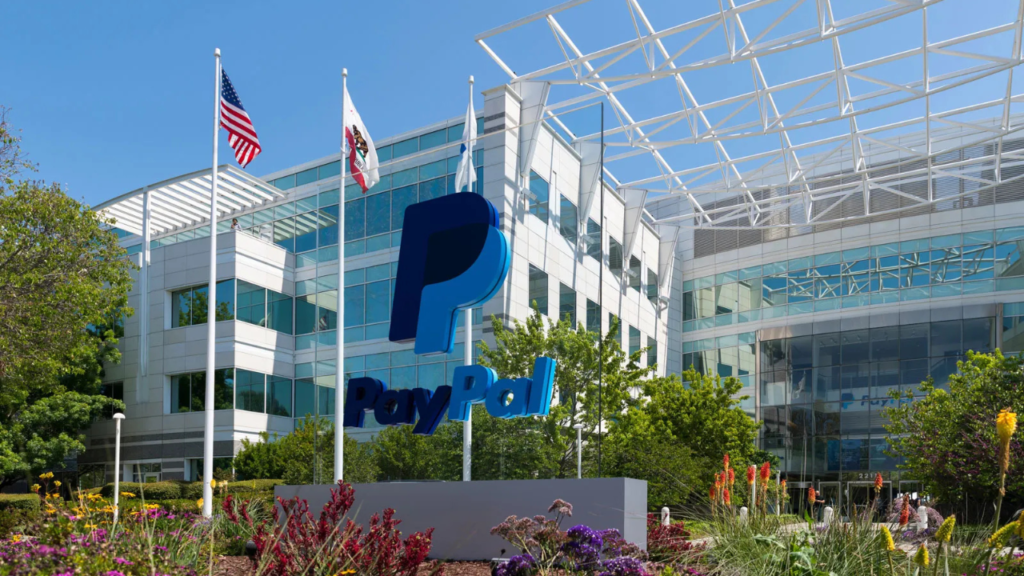
The PayPal business model is primarily based on digital payment processing and fintech services.
Key Components of PayPal Business Model
1. Online Payment Processing
The core of the PayPal business model is payment processing.
PayPal charges fees whenever businesses or merchants process payments through the platform.
This creates:
- Transaction-based revenue
- Recurring merchant activity
- Scalable growth opportunities
- Strong network effects
The PayPal revenue model benefits significantly from increasing global digital payment adoption.
2. Merchant Solutions
Another important component of the PayPal business model is merchant services.
PayPal provides:
- Payment gateways
- Subscription billing
- Checkout solutions
- International payment support
- Fraud protection tools
These services increase merchant dependency and strengthen the PayPal revenue model.
3. Peer-to-Peer Transfers
The PayPal business model also includes peer-to-peer payment services like Venmo.
Consumers use PayPal for:
- Sending money
- Splitting bills
- Online shopping
- Mobile wallet transactions
This increases platform engagement and user growth.
4. Financial Services Ecosystem

The PayPal business model has expanded into:
- Consumer finance
- Buy now, pay later services
- Cryptocurrency trading
- Digital wallets
- Merchant financing
This diversification improves long-term profitability and customer retention.
PayPal Revenue Model
The PayPal revenue model is one of the strongest examples of diversified fintech income generation.
Main Revenue Sources in PayPal Revenue Model
Transaction Fees
The primary component of the PayPal revenue model is transaction fees.
PayPal earns a percentage from:
- Online purchases
- Merchant payments
- International transfers
- Currency conversions
As global e-commerce grows, this revenue stream continues expanding.
Merchant Service Fees
The PayPal revenue model also includes fees for:
- Payment gateways
- Checkout integrations
- Subscription management
- Fraud protection services
Merchant-focused solutions contribute heavily to company revenue.
Currency Conversion Fees
International payments are another important part of the PayPal revenue model.
PayPal earns revenue from:
- Currency exchange margins
- International transaction fees
- Cross-border payment services
Financial Products Revenue
The PayPal business model also generates revenue from:
- Buy now, pay later services
- Interest income
- Merchant loans
- Cryptocurrency services
This diversification strengthens the PayPal revenue model significantly.
PayPal Marketing Strategy

The PayPal marketing strategy is considered one of the best fintech marketing examples globally.
1. Trust and Security Branding
A major element of the PayPal marketing strategy is trust.
PayPal positions itself as:
- Safe
- Secure
- Reliable
- Fast
This branding helped the company gain global customer confidence.
The PayPal case study demonstrates how trust-based branding drives fintech growth.
2. Strategic Partnerships
The PayPal marketing strategy heavily focuses on partnerships.
PayPal partnered with:
- eBay
- Shopify
- Amazon
- Global merchants and banks
These collaborations expanded PayPal’s market reach rapidly.
3. Referral Marketing
Another major component of the PayPal marketing strategy was referral programs.
In its early years, PayPal rewarded users for inviting friends.
This viral growth strategy accelerated user acquisition.
The PayPal case study is often cited as one of the best examples of referral marketing success.
4. Mobile and Digital Marketing
The PayPal marketing strategy also includes:
- Mobile advertising
- Social media marketing
- App-based promotions
- Digital payment campaigns
This helps attract younger audiences and mobile-first users.
5. Merchant-Focused Campaigns
The PayPal marketing strategy strongly targets businesses and merchants.
PayPal promotes:
- Easy payment integration
- Fast transactions
- Global customer reach
- Secure checkout experiences
This strengthens merchant adoption globally.
Why PayPal Became Successful
The PayPal case study reveals several reasons behind the company’s success.
Early Entry into Digital Payments
PayPal entered the online payments industry at the right time during e-commerce growth.
The PayPal business model benefited directly from the rise of online shopping.
Strong Brand Trust
The PayPal marketing strategy successfully positioned the company as a safe digital payment platform.
Global Reach
PayPal expanded into multiple countries and currencies.
This strengthened the PayPal revenue model through international transactions.
Continuous Innovation
PayPal continuously innovates through:
- Mobile wallets
- AI-powered fraud prevention
- Cryptocurrency support
- Consumer finance solutions
Innovation keeps the PayPal business model highly competitive.
Competitive Advantage of PayPal
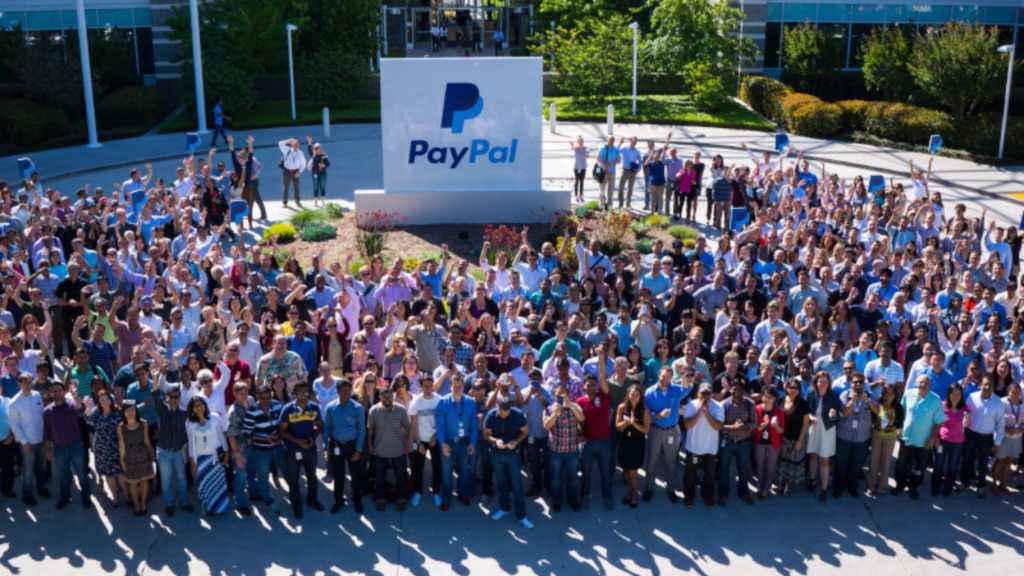
The PayPal case study highlights several competitive advantages.
Global Payment Network
PayPal operates in numerous countries and supports multiple currencies.
Strong Security Systems
The PayPal marketing strategy heavily promotes fraud prevention and payment security.
Merchant Ecosystem
Millions of businesses integrate PayPal into their payment systems.
User-Friendly Experience
PayPal simplifies online transactions for both consumers and merchants.
Challenges Faced by PayPal
The PayPal case study also includes several business challenges.
Intense Competition
PayPal competes with:
- Stripe
- Square
- Apple Pay
- Google Pay
Competition forces continuous innovation.
Regulatory Compliance
Fintech companies face strict financial regulations and compliance requirements globally.
Fraud and Cybersecurity Risks
Digital payment companies constantly deal with:
- Fraud attempts
- Cybersecurity threats
- Data privacy issues
Despite these challenges, the PayPal revenue model remains highly scalable and profitable.
PayPal and AI in 2026
AI has become a major focus in the PayPal case study 2026.
PayPal now uses AI for:
- Fraud detection
- Personalized recommendations
- Payment risk analysis
- Customer support automation
- Financial insights
The PayPal marketing strategy strongly promotes secure AI-powered financial services.
AI integration also strengthens the scalability of the PayPal business model.
Financial Growth of PayPal
The PayPal revenue model has shown strong growth because digital payments continue increasing globally.
Major growth drivers include:
- E-commerce expansion
- Mobile payments
- International transactions
- Digital wallet adoption
The PayPal case study demonstrates how fintech platforms can scale globally through recurring transaction revenue.
Lessons from PayPal Case Study
The PayPal case study provides valuable lessons for startups and entrepreneurs.
Build Trust First
The PayPal marketing strategy shows the importance of security and trust in fintech.
Focus on User Experience
PayPal simplified online payments for millions of users.
Diversify Revenue Streams
The PayPal revenue model includes transaction fees, financial services, subscriptions, and merchant tools.
Scale Through Partnerships
The PayPal business model benefited significantly from strategic partnerships and integrations.
Future of PayPal
The future of PayPal looks strong as digital commerce and fintech adoption continue growing globally.
The PayPal case study suggests future opportunities in:
- AI-powered finance
- Cryptocurrency payments
- Cross-border commerce
- Embedded finance
- Digital banking services
The PayPal marketing strategy will likely continue focusing on trust, innovation, and global financial accessibility.
The PayPal business model is also expected to expand into more AI-powered fintech services and financial automation solutions.
PayPal Case Study and Fintech Industry
The PayPal case study reflects the rapid evolution of the global fintech industry.
Businesses increasingly depend on:
- Online payments
- Mobile wallets
- AI-driven finance
- Global digital transactions
- Secure checkout systems
The PayPal revenue model benefits directly from these trends.
The PayPal business model also adapts quickly to:
- Consumer behavior changes
- Mobile commerce growth
- Cryptocurrency adoption
- AI-driven financial tools
Customer Loyalty and User Retention
The PayPal case study highlights how customer retention became a major growth factor.
PayPal retains users through:
- Secure transactions
- Easy payment experiences
- Global accessibility
- Fast money transfers
- Buyer protection programs
The PayPal marketing strategy focuses heavily on convenience and trust.
This customer-centric approach strengthens the PayPal revenue model significantly.
Conclusion
This PayPal case study clearly explains how PayPal became one of the world’s leading fintech companies.
The PayPal marketing strategy played a major role in building trust through secure branding, partnerships, referral marketing, and merchant-focused campaigns.
Meanwhile, the PayPal revenue model generated stable income through transaction fees, merchant services, international payments, and financial products.
The PayPal business model stands out because of its fintech ecosystem, global payment network, AI-powered security systems, and scalable financial services.
Businesses and entrepreneurs can learn valuable lessons from this PayPal case study:
- Build trust-driven brands
- Focus on customer experience
- Diversify revenue streams
- Scale through partnerships
- Invest in innovation
As digital finance and AI continue evolving, PayPal is expected to remain one of the most influential fintech platforms globally.
FAQs on PayPal Case Study 2026
1. What is the PayPal case study about?
The PayPal case study explains how PayPal became a global fintech leader through online payment innovation, secure digital transactions, and merchant-focused services.
2. What is the PayPal marketing strategy?
The PayPal marketing strategy focuses on trust, security, partnerships, referral marketing, and mobile payment promotion.
3. How does the PayPal revenue model work?
The PayPal revenue model mainly depends on transaction fees, merchant services, international payments, currency conversion, and financial products.
4. Why is the PayPal business model successful?
The PayPal business model succeeds because of its scalable payment network, merchant ecosystem, global reach, and diversified fintech services.
5. What can startups learn from the case study of PayPal?
The case study of PayPal teaches startups about trust-building, referral marketing, fintech innovation, and scalable payment ecosystems.
6. How does PayPal make money?
The PayPal earning strategy includes transaction fees, merchant solutions, currency conversion charges, financial products, and buy now pay later services.
7. What makes PayPal different from competitors?
The PayPal competitive strategy focuses on global accessibility, payment security, trusted branding, and user-friendly financial technology.
8. How is AI impacting PayPal in 2026?
AI improves PayPal through fraud detection, automated support, personalized recommendations, payment analytics, and financial risk management.