

Introduction to Figma Case Study
The Figma case study is one of the most interesting stories in the SaaS and design industry. Figma transformed the way designers, developers, and teams collaborate online. From a small startup idea to becoming one of the biggest design platforms in the world, this Figma case study explains how the company built a billion-dollar brand through innovation, collaboration, and smart business planning.
In this we will explore the company’s journey, its growth tactics, the Figma marketing strategy, the Figma revenue model, and the Figma business model that helped it dominate the UI/UX design market in 2026.

The Figma case study also highlights how cloud collaboration became the future of design. Before Figma, most design tools worked offline and created workflow problems for teams. Figma solved these issues with browser-based collaboration, making teamwork faster and easier.
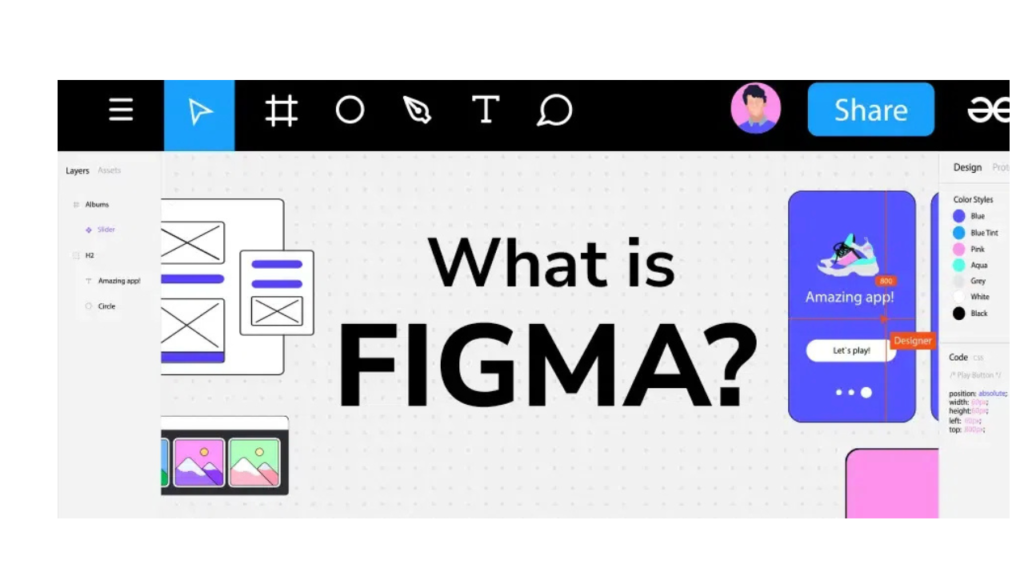
Today, the Figma case study is studied by startups, SaaS founders, marketers, and business students because it demonstrates how product-led growth and community building can scale a company globally.
History Behind the Figma Case Study
The Figma case study started in 2012 when founders Dylan Field and Evan Wallace launched the platform with a mission to make design accessible from anywhere. Unlike traditional design software, Figma worked directly in the browser.
This innovation became the foundation of the Figma business model because users no longer needed heavy software installations. Teams could collaborate in real time, similar to how people collaborate in Google Docs.
During the early years of the Figma case study, the company focused heavily on improving user experience. Instead of spending aggressively on advertising, the company relied on the Figma marketing strategy of community adoption and word-of-mouth growth.
As the platform improved, more startups and enterprises adopted it. This rapid growth strengthened the Figma revenue model, allowing the company to generate recurring subscription income from businesses and teams worldwide.
It became even more popular when large tech companies started using the platform for UI/UX design and product collaboration.
Why the Figma Case Study Became Popular
One reason the Figma case study became famous is because Figma solved a real market problem. Designers struggled with version control, team communication, and file sharing. Figma simplified all of these issues.

Another reason the Figma case study is important is the company’s product-first approach. Instead of relying only on paid marketing, the Figma marketing strategy focused on user satisfaction and community engagement.
The Figma business model also supported long-term growth because it used a freemium approach. Users could start for free and later upgrade to paid plans. This created massive adoption worldwide.
The Figma revenue model became highly scalable because subscription-based SaaS businesses generate recurring revenue every month. This helped the company grow rapidly while maintaining predictable cash flow.
The Figma case study also demonstrates the importance of collaboration in modern workplaces. Remote work trends after 2020 further accelerated Figma’s growth.
Figma Marketing Strategy Explained
The Figma marketing strategy played a major role in the success of the company. Instead of traditional advertising, Figma focused on product-led growth and community building.
One of the strongest aspects of the Figma marketing strategy is its freemium model. Free users help spread awareness about the platform. Once teams grow, companies upgrade to premium subscriptions.
Another important part of the Figma marketing strategy is community engagement. Figma built online communities where designers share templates, plugins, and resources. This increased organic growth.
The Figma marketing strategy also includes educational content. Tutorials, webinars, and design workshops helped the company attract beginners and professionals alike.

Social media became another strong pillar of the Figma marketing strategy. Designers frequently share their Figma work on platforms like LinkedIn, X, and YouTube, giving Figma free exposure.
Partnerships and integrations also strengthened the Figma marketing strategy. The company integrated with tools like Slack, Jira, and Notion, making it more useful for teams.
The Figma case study proves that a strong community can reduce customer acquisition costs significantly.
Understanding the Figma Revenue Model
The Figma revenue model is based mainly on SaaS subscriptions. The company earns revenue from individuals, startups, enterprises, and organizations that use premium plans.
One key part of the Figma revenue model is recurring monthly and annual subscriptions. This creates stable income for the company.
Another important element in the Figma revenue model is enterprise pricing. Large organizations pay higher subscription fees for advanced security, collaboration, and management features.
The Figma revenue model also benefits from its freemium strategy. Millions of users try the free version before upgrading to paid plans.
Plugins and ecosystem growth further support the Figma revenue model because they increase user retention and platform dependency.
The Figma case study shows how SaaS businesses can scale effectively with subscription revenue.
In 2026, the Figma revenue model remains highly profitable because design collaboration is essential for digital businesses worldwide.
The Figma revenue model is often compared with other SaaS companies because of its strong retention rates and recurring income system.
Figma Business Model Analysis
The Figma business model is one of the best examples of a modern SaaS business model. It combines cloud computing, collaboration, and subscription-based pricing.
The biggest strength of the Figma business model is accessibility. Since the platform works in browsers, users can design from almost any device.
Another advantage of the Figma business model is collaboration. Teams can work together in real time without sending files back and forth.
The Figma business model also includes a freemium structure. This allows the company to attract millions of users before converting them into paying customers.
The Figma business model benefits from network effects as well. When teams adopt Figma, other departments often start using it too.
Scalability is another major factor in the Figma business model. Because it is cloud-based, the company can serve users globally without physical expansion.
The Figma case study highlights how SaaS companies can achieve rapid international growth through digital platforms.
Many startups now study the Figma business model to understand how collaboration software can dominate a market.
Product Innovation in the Figma Case Study
The Figma case study is also about innovation. Figma continuously launched new features to stay ahead of competitors.
Real-time collaboration became the core innovation in the Figma case study. Designers could edit the same file together instantly.
Another important innovation in the Figma case study was browser-based accessibility. This removed the limitations of desktop-only design software.
The company also introduced plugins, design systems, and developer tools, strengthening the Figma business model.
Innovation supported the Figma marketing strategy because satisfied users naturally recommended the platform to others.
Continuous feature development also improved the Figma revenue model since premium users gained access to advanced capabilities.
The Figma case study proves that innovation and customer feedback are essential for long-term business success.
Competitive Advantage in the Figma Case Study
The Figma case study demonstrates how differentiation creates competitive advantage. Figma competed against older design tools by offering faster collaboration.
One advantage highlighted in the Figma case study is ease of use. Beginners could quickly learn the platform.
Another major advantage in the Figma marketing strategy was community-driven growth. Users promoted the platform through tutorials and online discussions.
The Figma business model also created strong customer loyalty because teams stored workflows and systems inside the platform.
The Figma revenue model became stronger as enterprise adoption increased worldwide.
The Figma case study also teaches businesses that customer experience can become a powerful marketing tool.
Challenges Faced in the Figma Case Study
Even though the Figma case study is successful, the company faced several challenges.
Competition was one major issue in the Figma case study. Older companies already dominated the design industry.
Another challenge in the Figma business model was scaling infrastructure for millions of users worldwide.
The company also had to continuously improve the Figma marketing strategy to maintain growth and engagement.
Maintaining profitability while expanding globally was another challenge related to the Figma revenue model.
Despite these obstacles, the Figma case study shows how innovation and adaptability helped the company succeed.
Lessons from the Figma Case Study
The Figma case study provides several important lessons for startups and entrepreneurs.
First, product-led growth can outperform expensive advertising. The Figma marketing strategy focused on user experience rather than aggressive ads.
Second, the Figma business model proves that collaboration tools have huge growth potential in remote work environments.
Third, the Figma revenue model shows the power of recurring SaaS subscriptions.
Fourth, the Figma case study highlights the importance of building a strong community around a product.
Finally, the Figma case study teaches businesses to innovate continuously to remain competitive.
Future of the Figma Case Study in 2026
The future of the Figma case study looks strong because digital collaboration continues to grow globally.
AI-powered design tools may further enhance the Figma business model in the coming years.
The Figma marketing strategy is expected to continue focusing on community, education, and product innovation.
The Figma revenue model may expand through enterprise solutions, AI features, and ecosystem monetization.
As remote work and digital product design increase, the Figma case study will remain one of the most studied SaaS growth stories.
Conclusion
The Figma case study is a powerful example of how innovation, collaboration, and smart business planning can disrupt an industry. Through its browser-based platform, strong community engagement, and scalable SaaS approach, Figma became one of the leading design platforms in the world.
The Figma marketing strategy focused on product-led growth and community building instead of relying only on advertising. The Figma revenue model created recurring subscription income, while the Figma business model ensured scalability and long-term growth.
Overall, the Figma case study teaches entrepreneurs, marketers, and startups how a customer-focused product can achieve global success.
FAQs
What is the HubSpot success story?
The HubSpot case study explains how HubSpot became a global leader in CRM and inbound marketing solutions.
How does HubSpot generate revenue?
The company earns through the HubSpot revenue model, mainly using subscription-based SaaS services.
Why is HubSpot’s marketing approach successful?
The HubSpot marketing strategy succeeds because it focuses on inbound marketing, SEO, and educational content.
What type of SaaS company is HubSpot?
The HubSpot business model is based on cloud CRM, automation, and customer engagement software.
Why do startups study HubSpot?
Many startups analyze the HubSpot case study to learn SaaS growth and inbound marketing techniques.
What makes HubSpot different from competitors?
The HubSpot business strategy combines CRM, marketing, sales, and support tools into one ecosystem.
Is HubSpot profitable in 2026?
The case study of HubSpot teaches the importance of customer education, automation, and long-term engagement.
What can businesses learn from HubSpot?
The case study of HubSpot teaches the importance of customer education, automation, and long-term engagement.