

Introduction to Webflow Case Study
The Webflow case study is one of the most powerful examples of how a modern no-code company disrupted the website development industry. In recent years, Webflow has transformed from a small startup into a globally recognized SaaS platform used by designers, developers, startups, agencies, and enterprises. This detailed Webflow case study explains how the company built a strong market presence using innovation, community building, and a scalable subscription ecosystem. The success of Webflow is strongly connected to its unique Webflow marketing strategy, profitable Webflow revenue model, and scalable Webflow business model that allowed the company to compete against major website-building platforms.
In this complete Webflow case study, we will analyze the company’s history, founders, growth journey, business structure, monetization methods, customer acquisition techniques, branding, SEO growth, competition, future opportunities, and market dominance. The rise of no-code technology created a massive opportunity for Webflow, and the company used this opportunity with a highly effective Webflow marketing strategy that focused on education, user experience, and community engagement rather than depending completely on traditional advertising.
The modern digital economy requires faster website creation, flexible design tools, and scalable content management systems. This demand accelerated the growth of the Webflow business model and improved the overall profitability of the Webflow revenue model. By 2026, Webflow became one of the leading names in the no-code website development market.

What is Webflow?
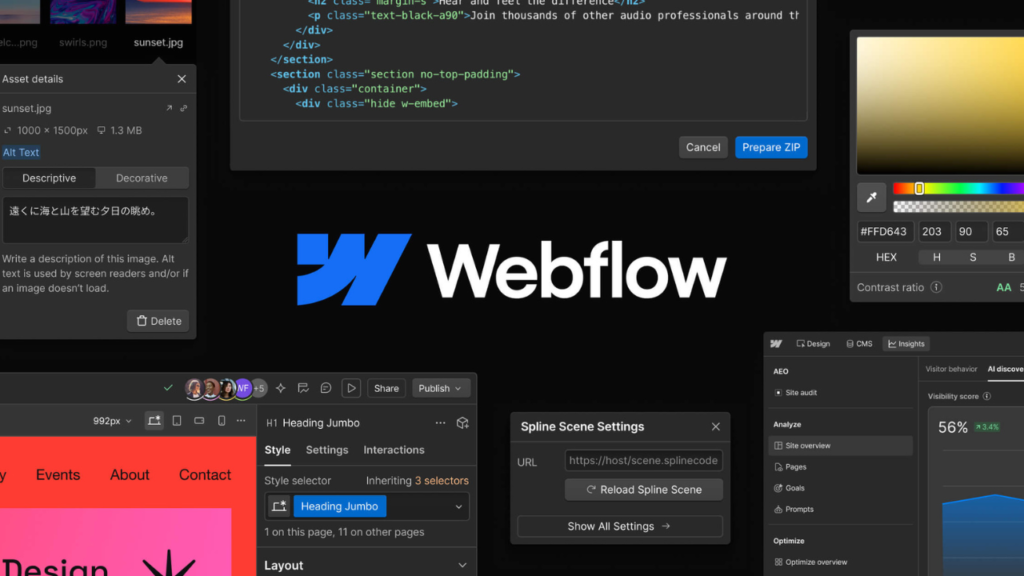
Webflow is a visual website design and development platform that allows users to build responsive websites without manually writing extensive code. Instead of traditional coding-heavy development, Webflow gives users a visual interface where they can create websites while the platform automatically generates production-ready code in the background.
This innovation is one of the major highlights of the Webflow case study because it simplified web development for millions of users worldwide. Designers can now create professional websites independently without depending heavily on developers.
The platform is commonly used for:
- Landing pages
- Business websites
- Startup websites
- Portfolio websites
- E-commerce stores
- CMS-driven websites
The simplicity and flexibility of the platform helped strengthen the Webflow business model and increase adoption globally.
Founders Behind the Webflow Case Study
The founders of Webflow are:
- Vlad Magdalin
- Sergie Magdalin
- Bryant Chou
The founders identified a major gap in the web development market. They believed that website creation should become easier and more accessible for everyone, not just developers. Their vision became the foundation of the successful Webflow business model.
The founders focused on solving common problems in traditional web development:
- Slow development process
- Expensive website creation
- Dependency on developers
- Limited design flexibility
- Technical complexity
This customer-focused approach later became a key part of the Webflow marketing strategy.
History and Growth of Webflow
Early Stage of Webflow
The company was founded in 2013 when the no-code industry was still in its early stages. Initially, Webflow faced strong competition from platforms like Wix, WordPress, and Squarespace. However, the company differentiated itself through advanced design flexibility and professional-grade tools.
This stage of the Webflow case study shows the importance of positioning and innovation in startup growth.
Growth Phase
As no-code tools became more popular, Webflow experienced rapid adoption. Startups and agencies started using the platform because it reduced development time and improved workflow efficiency.
The growth of the company accelerated because of:
- Product-led growth
- SEO-driven traffic
- Educational content
- Community engagement
- Visual development demand
Each of these factors contributed significantly to the success of the Webflow marketing strategy.
Webflow Business Model Explained
The Webflow business model is based primarily on SaaS subscriptions. Customers pay monthly or yearly fees to access the platform’s features and services.
Main Components of Webflow Business Model
1. Subscription Plans
The company offers multiple pricing plans for different customer segments including individuals, freelancers, agencies, startups, and enterprises.
This subscription ecosystem is the foundation of the Webflow revenue model.
2. Hosting Services
Webflow provides integrated hosting services that simplify website deployment and maintenance.
Hosting strengthens the Webflow business model because customers remain within the Webflow ecosystem.
3. CMS Services
The CMS system allows users to manage blogs, dynamic pages, and content-heavy websites easily.
CMS functionality increases customer retention and improves the scalability of the Webflow business model.
4. E-commerce Features
Webflow offers e-commerce capabilities for businesses wanting to build online stores.
This feature expands the customer base and increases the profitability of the Webflow revenue model.
5. Enterprise Solutions
Large organizations can purchase enterprise-level solutions with advanced security, support, and scalability.
Enterprise clients generate high-value recurring revenue.
Webflow Revenue Model Analysis
The Webflow revenue model is diversified, scalable, and recurring in nature. This recurring revenue structure is one of the major reasons investors view Webflow as a strong SaaS company.
Major Revenue Sources
Subscription Revenue
Subscription plans generate stable monthly and yearly recurring income.
This predictable cash flow strengthens the Webflow revenue model significantly.
Hosting Revenue
Customers pay separately for website hosting plans.
Hosting is a major component of the Webflow revenue model because it increases average customer spending.
E-commerce Revenue
The platform earns revenue from e-commerce subscriptions and store-related services.
Enterprise Revenue
Enterprise contracts contribute large amounts of long-term revenue.
Marketplace Revenue
Webflow operates a template marketplace where designers sell templates and Webflow earns commissions.
This marketplace further strengthens the Webflow business model.
Webflow Marketing Strategy Explained
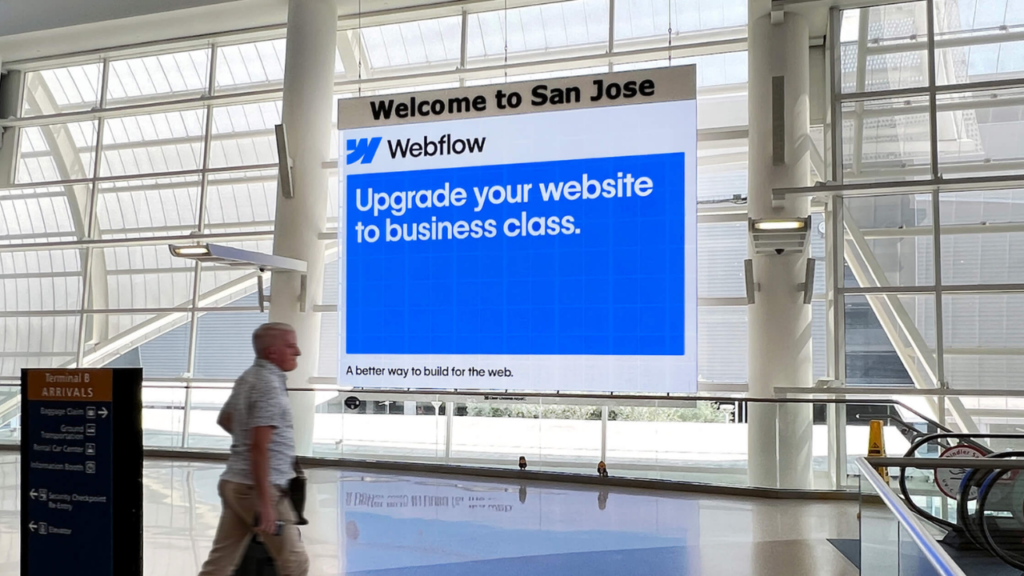
The Webflow marketing strategy is considered one of the best examples of modern SaaS marketing.
Instead of depending completely on paid advertisements, Webflow focused heavily on organic growth, education, and community building.
1. Content Marketing
Content marketing is a core part of the Webflow marketing strategy.
The company produces:
- Blog articles
- Tutorials
- SEO guides
- Web design resources
- Educational videos
- Case studies
This educational content attracts designers, developers, and businesses organically.
2. YouTube Strategy
Webflow built a strong YouTube presence by publishing educational tutorials and web design content.
This educational ecosystem became a powerful acquisition channel under the Webflow marketing strategy.
3. SEO-Driven Growth
SEO is one of the strongest pillars of the Webflow marketing strategy.
The company ranks for thousands of keywords related to:
- Website design
- Web development
- CMS tools
- No-code platforms
- Responsive design
This SEO dominance reduced customer acquisition costs significantly.
4. Product-Led Growth
Users can start using Webflow for free before upgrading to premium plans.
This freemium approach supports both the Webflow marketing strategy and the Webflow business model.
5. Community Building
Webflow built a loyal online community where users share:
- Templates
- Tutorials
- Design inspiration
- Development tips
Community engagement improved brand loyalty and retention.
Why Webflow Became Successful
The Webflow case study demonstrates several important business lessons.
Strong Product Innovation
Webflow solved real-world problems for designers and businesses.
Excellent User Experience
The visual editor simplified web design significantly.
Recurring Revenue Structure
The subscription-focused Webflow revenue model created financial stability.
Scalable SaaS Ecosystem
The Webflow business model allowed global scalability.
Educational Marketing
The Webflow marketing strategy focused on helping users instead of simply selling products.
Competitor Analysis in Webflow Case Study
Webflow competes with many platforms.
Wix
Wix focuses more on beginners and simplicity.
Squarespace
Squarespace emphasizes templates and ease of use.
WordPress
WordPress dominates the CMS market but often requires technical maintenance.
Shopify
Shopify focuses primarily on e-commerce.
Despite strong competition, the Webflow marketing strategy helped the company build a unique identity focused on professional design flexibility.
Webflow and the No-Code Industry
The no-code industry is growing rapidly worldwide.
This trend directly supports the growth shown in the Webflow case study. Businesses increasingly want faster and more affordable website development solutions.
The growth of no-code tools strengthens:
- The Webflow business model
- The Webflow revenue model
- Customer acquisition opportunities
By 2026, no-code adoption is expected to become even more mainstream.
Challenges in Webflow Case Study
Although successful, Webflow still faces challenges.
Rising Competition
The no-code industry is becoming increasingly competitive.
Learning Curve
Some beginners find Webflow slightly more advanced than simpler website builders.
Enterprise Competition
Competing for large enterprise clients requires continuous investment.
Feature Expansion
The company must continue innovating rapidly.
Despite these challenges, the Webflow case study remains one of the strongest examples of SaaS success.
Future of Webflow in 2026
The future looks promising for Webflow.
AI Integration
AI-powered website creation tools may become a major growth driver.
Enterprise Growth
More enterprises are expected to adopt no-code solutions.
Marketplace Expansion
The Webflow ecosystem may expand further through templates and plugins.
Global Growth
International adoption continues increasing rapidly.
These opportunities can significantly strengthen the Webflow revenue model in coming years.
Financial Strength of Webflow
Webflow achieved unicorn status due to strong investor confidence and recurring revenue growth.
The company benefits from:
- Predictable subscription income
- High customer retention
- Growing enterprise adoption
- Expanding no-code demand
This financial strength allows Webflow to invest aggressively in product development and expansion.
SEO Lessons from Webflow Marketing Strategy
The Webflow marketing strategy offers important lessons for startups and marketers.
Educational SEO Works
Publishing valuable content can attract organic traffic.
Community Builds Retention
Strong communities increase customer loyalty.
Product Quality Drives Referrals
Satisfied users naturally promote the platform.
Organic Growth Reduces Costs
SEO reduces dependency on expensive advertisements.
These lessons make the Webflow case study extremely valuable for SaaS founders.
Conclusion of Webflow Case Study
The Webflow case study is a remarkable example of how innovation, product-led growth, educational marketing, and recurring SaaS revenue can create a billion-dollar company. Webflow changed the website development industry by empowering users to design and launch websites visually without relying heavily on coding knowledge.
The success of Webflow is deeply connected to its:
- Powerful Webflow marketing strategy
- Scalable Webflow business model
- Predictable Webflow revenue model
As no-code technology continues growing globally, Webflow is expected to remain one of the leading platforms in the digital development industry. The company’s ability to combine design flexibility, hosting, CMS functionality, and education into one ecosystem helped create one of the strongest SaaS growth stories of modern times.
The Webflow case study proves that businesses focusing on customer empowerment, education, community, and recurring value can achieve massive long-term success.
FAQs About Webflow Case Study
1. What is Webflow case study?
The Webflow case study explains the growth journey, marketing approach, monetization system, and success story of Webflow as a leading no-code website development platform.
2. What is Webflow marketing strategy?
The Webflow marketing strategy focuses on SEO, educational content, YouTube tutorials, community engagement, and product-led growth instead of relying only on paid advertisements.
3. What is Webflow revenue model?
The Webflow revenue model generates income through subscriptions, hosting services, enterprise plans, e-commerce solutions, and marketplace commissions.
4. What is Webflow business model?
The Webflow business model is a SaaS-based subscription system where users pay monthly or yearly fees for access to design, CMS, hosting, and e-commerce tools.
5. Why is Webflow successful?
The success highlighted in the Webflow case study comes from strong product innovation, educational marketing, SEO growth, and a scalable recurring revenue system.
6. How does Webflow make money?
Webflow earns revenue through premium plans, hosting fees, enterprise services, e-commerce subscriptions, and template marketplace commissions under the Webflow revenue model.
7. Why is Webflow marketing strategy effective?
The Webflow marketing strategy is effective because it attracts customers organically through helpful content, tutorials, SEO optimization, and community-driven growth.
8. What can startups learn from Webflow case study?
Startups can learn the importance of product quality, educational marketing, SEO growth, customer retention, and recurring SaaS monetization from the Webflow case study.