
Introduction to Trello Case Study 2026
The Trello has become one of the most recognized productivity and project management platforms in the SaaS industry. This Trello case study explains how Trello transformed workplace productivity, workflow organization, collaboration systems, and project management for businesses worldwide. As companies increasingly adopted remote work systems, digital collaboration tools, and cloud-based operations, organizations needed software that could simplify task management, improve workflow visibility, and increase operational efficiency. Trello identified this opportunity early and built a visual productivity platform that became popular among startups, enterprises, freelancers, agencies, and remote teams.
This detailed Trello case study explores the Trello marketing strategy, Trello revenue model, and Trello business model that helped the company scale rapidly in the global productivity software market. From visual workflow management and collaboration systems to automation tools and enterprise productivity solutions, Trello created a scalable SaaS ecosystem that serves millions of users worldwide. The Trello case study also highlights how simplicity, user-friendly design, cloud collaboration, and product-led growth helped the company compete against larger project management platforms.
The Trello business model is especially interesting because it combines project management, workflow organization, team collaboration, and automation systems into one highly visual and easy-to-use platform. Meanwhile, the Trello marketing strategy strongly focuses on productivity improvement, workplace organization, operational simplicity, and collaboration efficiency. The Trello revenue model generates recurring income through SaaS subscriptions, enterprise productivity solutions, premium collaboration tools, and workflow automation systems. Together, these factors have made Trello one of the leading productivity software companies globally.
Company Overview in Trello Case Study
Trello was launched in 2011 by Fog Creek Software and later acquired by Atlassian in 2017. The platform was created to solve workflow management and productivity challenges faced by businesses and teams. Many organizations struggled with complicated project management tools, disconnected workflows, and inefficient communication systems.
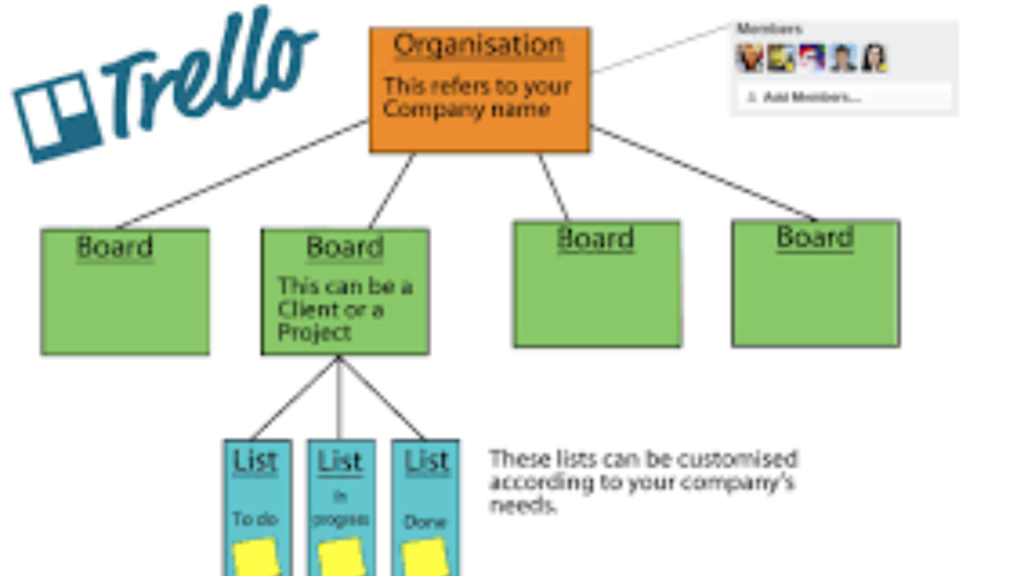
The Trello case study highlights how the company simplified project management through a visual Kanban-style board system. Trello enables users to create boards, organize tasks, assign responsibilities, track workflows, and improve collaboration from one centralized cloud-based platform. This simplicity became the foundation of the Trello business model because businesses increasingly wanted user-friendly productivity systems.
Today, Trello offers:
- Project management software
- Workflow organization tools
- Team collaboration systems
- Productivity dashboards
- Automation tools
- Task management systems
- Enterprise productivity solutions
- Remote work collaboration tools
- Cloud-based workflow systems
The Trello marketing strategy strongly promotes operational simplicity, productivity improvement, teamwork, and workflow visibility. Instead of marketing itself as complicated enterprise software, Trello positions itself as a simple and visual collaboration platform for everyone. Meanwhile, the Trello revenue model benefits from recurring SaaS subscriptions and enterprise productivity solutions.
Evolution of Trello Business Model in Trello Case Study
The Trello case study becomes more fascinating when we analyze how the company evolved from a basic visual productivity tool into a global SaaS productivity platform. Initially, Trello mainly focused on Kanban boards and task organization. However, as businesses increasingly adopted digital workflows and remote work systems, the company expanded its ecosystem significantly.
As a result, the Trello business model evolved into:
- Workflow automation
- Enterprise collaboration systems
- Team productivity tools
- Cloud-based project management
- Remote work productivity solutions
- AI-powered workflow systems
- Automation integrations
- Productivity analytics
The Trello business model continuously evolved according to customer needs. Businesses no longer wanted isolated task management systems; they wanted centralized platforms capable of improving collaboration, workflow organization, and productivity management.
The Trello marketing strategy also evolved significantly over time. Initially targeting startups and small teams, Trello later expanded toward enterprises, software companies, marketing agencies, educational institutions, and remote organizations. Educational blogs, productivity guides, workflow optimization resources, collaboration tutorials, and remote work content became important components of the Trello marketing strategy.
Meanwhile, the Trello revenue model evolved from basic SaaS subscriptions into diversified recurring revenue streams including enterprise productivity plans, workflow automation systems, advanced integrations, collaboration tools, and premium features. The Trello case study demonstrates how SaaS companies can scale rapidly by simplifying productivity systems and improving workplace collaboration.
Trello Business Model Explained in Trello Case Study
The Trello business model is primarily based on SaaS subscriptions, project management systems, workflow organization, and collaboration tools. Unlike traditional project management platforms that focus on complexity, Trello emphasizes simplicity, visualization, and operational efficiency.

One of the core components of the Trello business model is visual workflow management. Businesses use Trello boards, cards, and lists to organize projects, assign tasks, monitor progress, and manage operations. This visual approach improves productivity and team collaboration.
Another major component of the Trello business model is workflow automation. Trello automates repetitive tasks such as:
- Notifications
- Workflow updates
- Task assignments
- Deadline reminders
- Collaboration tracking
These automation systems improve operational efficiency while reducing manual workloads.
The Trello business model also includes collaboration tools. Teams can communicate, manage workflows, share updates, and organize projects from one platform. This centralized collaboration system strengthens customer retention.
Another important component of the Trello business model is integrations. Trello integrates with popular SaaS tools including:
- Slack
- Google Workspace
- Dropbox
- Zoom
These integrations improve platform flexibility and operational scalability.
The Trello case study demonstrates how combining workflow visualization, collaboration systems, SaaS infrastructure, and automation tools creates scalable recurring revenue opportunities.
Trello Revenue Model Explained in Trello Case Study
The Trello revenue model is one of the strongest examples of SaaS monetization in the productivity software industry. The primary component of the Trello revenue model is subscription revenue. Businesses and users pay monthly or annual subscription fees to access workflow management systems, productivity tools, collaboration features, and premium integrations.
Another major component of the Trello revenue model is tiered pricing. Trello offers multiple plans designed for:
- Freelancers
- Small businesses
- Startups
- Enterprises
- Remote teams
This pricing structure allows the company to scale across multiple customer segments.
The Trello revenue model also benefits significantly from enterprise solutions. Large organizations require advanced workflow automation, security systems, enterprise collaboration tools, productivity analytics, and administrative controls. These premium enterprise plans generate high-margin recurring income.
Additional revenue streams within the Trello revenue model include:
- Automation tools
- Collaboration features
- Productivity integrations
- Enterprise workflow systems
- Premium dashboards
- Cloud productivity tools
Partnerships with SaaS ecosystems further strengthen the Trello revenue model by improving platform adoption and customer retention.
One of the biggest strengths of the Trello revenue model is recurring SaaS income. Since businesses increasingly depend on cloud productivity systems and workflow management tools, customer retention rates remain high. This makes the Trello business model highly scalable and sustainable.
Trello Marketing Strategy in 2026
The Trello marketing strategy is considered one of the most successful SaaS marketing approaches in the productivity software industry. Instead of promoting technical complexity, Trello focuses on visual simplicity, productivity improvement, collaboration efficiency, and operational organization.
One major component of the Trello marketing strategy is content marketing and SEO. Trello publishes educational resources related to:
- Workflow optimization
- Productivity improvement
- Team collaboration
- Project management
- Workplace organization
- Remote work productivity
This educational content generates strong organic traffic while building brand authority.
SEO is another critical component of the Trello marketing strategy. Trello targets keywords related to project management software, productivity systems, collaboration platforms, and workflow automation tools. This helps the company generate inbound leads from businesses searching for productivity solutions.
The Trello marketing strategy also strongly focuses on product-led growth. Users can easily create boards, organize tasks, collaborate with teams, and automate workflows without technical expertise.
Performance marketing is another important component of the Trello marketing strategy. The company uses:
- Google Ads
- LinkedIn advertising
- YouTube campaigns
- SaaS-focused digital marketing
- Productivity-focused advertising
Partnerships also strengthen the Trello marketing strategy. Trello collaborates with productivity influencers, software communities, remote work organizations, and enterprise consultants to expand brand visibility.
The Trello case study highlights how simplicity-focused branding and productivity messaging helped the company establish itself as a global productivity software leader.
Why Trello Became Successful
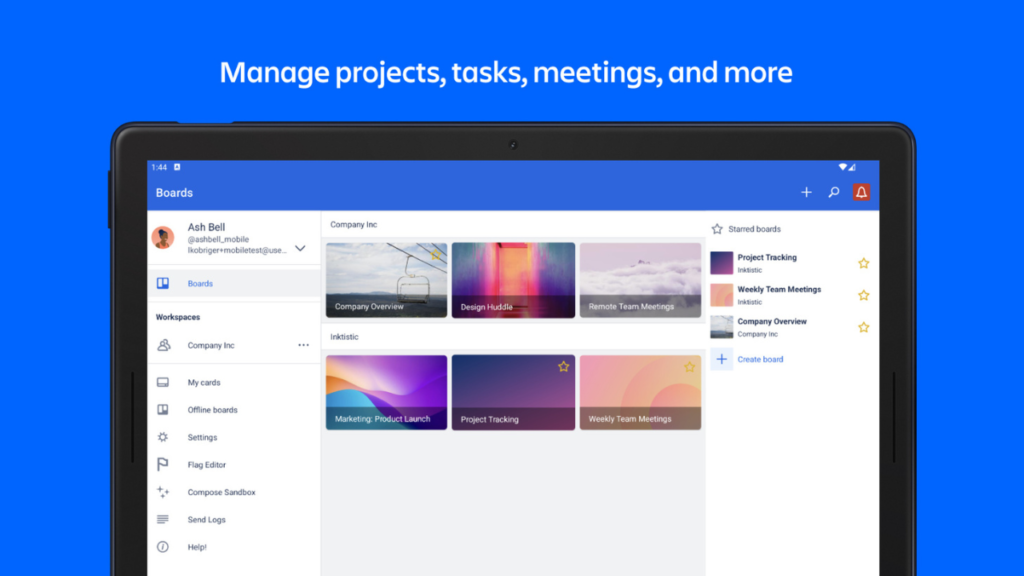
The Trello case study reveals several reasons behind the company’s rapid growth and success. One major reason is that Trello solved real operational problems faced by modern businesses. Many organizations struggled with complicated project management systems and inefficient workflows. Trello simplified workplace organization through visual productivity boards.
Another reason behind the success of the Trello business model is operational simplicity. Businesses can organize projects, automate workflows, and improve collaboration without complicated onboarding systems.
The Trello marketing strategy also contributed significantly to growth because it focused on workplace productivity, collaboration efficiency, and visual workflow organization instead of technical complexity.
Automation is another major reason behind the success of the Trello business model. Trello automates workflows related to:
- Task organization
- Collaboration updates
- Workflow notifications
- Deadline tracking
- Productivity reporting
These automation capabilities improve operational efficiency and customer retention.
The Trello revenue model also supports long-term growth because recurring SaaS subscriptions create predictable revenue streams.
Competitive Advantage of Trello Business Model
The Trello case study highlights several competitive advantages that differentiate the company from traditional productivity software competitors.
One major advantage of the Trello business model is visual simplicity. Trello’s Kanban-style interface makes workflow organization intuitive and user-friendly.
Another competitive advantage is flexibility. Businesses can customize boards, workflows, and collaboration systems according to operational requirements.
The Trello marketing strategy strongly promotes productivity improvement and operational simplicity, making the platform highly attractive to startups, freelancers, agencies, and enterprises.
The Trello business model also benefits from scalability. Businesses can start with simple boards and later expand workflow systems as operations grow.
Cloud-based collaboration is another competitive advantage because Trello enables remote teams to manage workflows efficiently from any location.
The Trello case study demonstrates how simplicity, collaboration systems, and workflow visualization create sustainable competitive advantages.
Challenges in Trello Case Study
Despite rapid growth, the Trello case study also highlights several challenges faced by the company.
One major challenge is intense competition in the productivity software industry. Trello competes with:
- Asana
- Monday.com
- ClickUp
- Notion
Competition requires continuous innovation and rapid feature development.
Another challenge for the Trello business model is balancing simplicity with advanced enterprise functionality. Adding more features can increase platform complexity.
Cybersecurity and data privacy are also important concerns because productivity platforms store sensitive business information.
Economic slowdowns may impact the Trello revenue model if businesses reduce software spending during uncertain economic conditions.
Despite these challenges, the Trello marketing strategy continues focusing on productivity, collaboration, and workflow organization.
Conclusion of Trello Case Study 2026

This Trello case study clearly explains how Trello became one of the fastest-growing productivity and workflow management companies globally. The Trello marketing strategy played a major role in building trust through simplicity-focused branding, educational content, workflow organization, and productivity messaging.
Meanwhile, the Trello revenue model generated scalable recurring income through SaaS subscriptions, enterprise productivity systems, workflow automation tools, and collaboration platforms.
The Trello business model stands out because of its combination of visual workflow management, productivity systems, collaboration tools, cloud-based operations, and automation capabilities.
Businesses and entrepreneurs can learn several important lessons from this Trello case study:
- Simplify workplace productivity systems
- Build scalable recurring SaaS revenue streams
- Focus on operational efficiency and collaboration
- Prioritize user-friendly design
- Continuously improve workflow automation
As workplace productivity and AI automation continue evolving, Trello is expected to remain one of the most influential productivity software companies globally.
FAQs on Trello Case Study 2026
1. What is the Trello case study about?
The Trello case study explains how Trello became a leading productivity and workflow management platform through SaaS innovation, workflow visualization, and collaboration systems.
2. What is the Trello marketing strategy?
The Trello marketing strategy focuses on productivity improvement, SEO content, workflow organization, collaboration efficiency, and operational simplicity.
3. How does the Trello revenue model work?
The Trello revenue model mainly depends on SaaS subscriptions, enterprise productivity systems, workflow automation tools, and collaboration platforms.
4. Why is the Trello business model successful?
The Trello business model succeeds because of workflow visualization, collaboration systems, operational simplicity, and cloud-based productivity tools.
5. What can startups learn from the case study of Trello?
The case study of Trello teaches startups about SaaS scalability, recurring revenue generation, automation-driven growth, and customer-focused innovation.
6. How does Trello make money?
The Trello earning strategy includes subscription plans, enterprise workflow systems, productivity tools, automation features, and collaboration platforms.
7. What makes Trello different from competitors?
The Trello competitive strategy focuses on workflow visualization, operational simplicity, productivity optimization, and user-friendly collaboration systems.
8. How is AI impacting Trello in 2026?
AI improves Trello through workflow optimization, automation recommendations, productivity analytics, intelligent task organization, and collaboration insights.